
Introduction
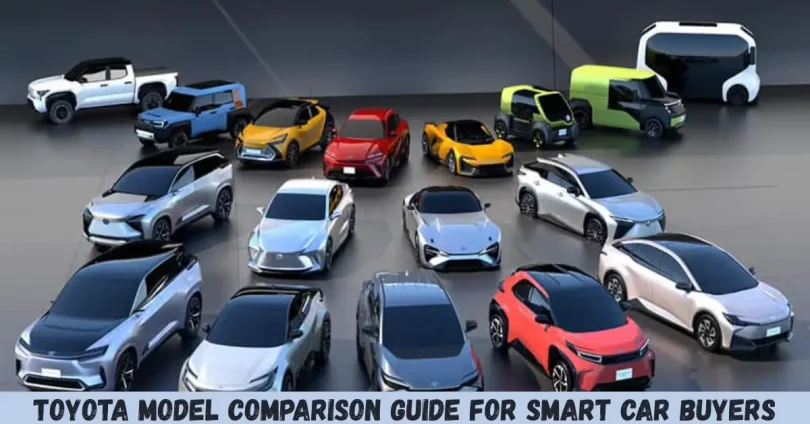
Choosing the right car can feel confusing, especially when a brand offers many options. Toyota is one of the most trusted car manufacturers in the world, known for reliability, fuel efficiency, and long-term value. However, with so many sedans, SUVs, hybrids, and trucks, buyers often struggle to decide which model fits their needs best. This is where a clear Toyota model comparison becomes extremely helpful.
A Toyota model comparison allows you to understand the differences between popular Toyota vehicles in simple terms. Instead of guessing or relying only on sales talk, you can compare size, engine options, fuel economy, safety features, and price. This approach saves time and helps you avoid costly mistakes. Beginners can learn the basics, while intermediate buyers can dig deeper into performance and ownership costs.
What is Toyota Model Comparison?
Toyota model comparison is the process of evaluating different Toyota vehicles to understand how they differ and which one suits your needs best. It involves looking at multiple factors such as body type, engine performance, fuel efficiency, safety systems, technology, comfort, and pricing.
Instead of focusing on one car, you review several Toyota models side by side. For example, you may compare Corolla and Camry for daily commuting, or RAV4 and Fortuner for family use. This comparison highlights strengths and weaknesses clearly.
A proper Toyota model comparison also includes ownership aspects. These include maintenance costs, resale value, and reliability ratings. Toyota is famous for durability, but some models are cheaper to maintain than others.
Overall, Toyota model comparison is not about choosing the most expensive car. It is about choosing the most suitable car for your lifestyle, budget, and driving needs.
Why is Toyota Model Comparison Important?
Toyota model comparison is important because it helps buyers make informed decisions. Without comparison, people often overpay or choose features they do not need.
Here are key reasons why comparison matters:
First, it saves money. When you compare prices and features, you avoid paying extra for unnecessary upgrades. Second, it improves satisfaction. A well-matched car fits your daily routine better. Third, it reduces regret. Many buyers feel unhappy after purchase because they did not compare properly.
Additionally, Toyota offers many models that look similar but serve different purposes. A clear Toyota model comparison removes confusion and builds confidence before buying.
Detailed Step-by-Step Guide
Step 1: Identify Your Driving Needs
Start by understanding how you will use the car. Ask yourself simple questions.
Do you drive mostly in the city? Do you travel long distances? Do you need space for family or cargo?
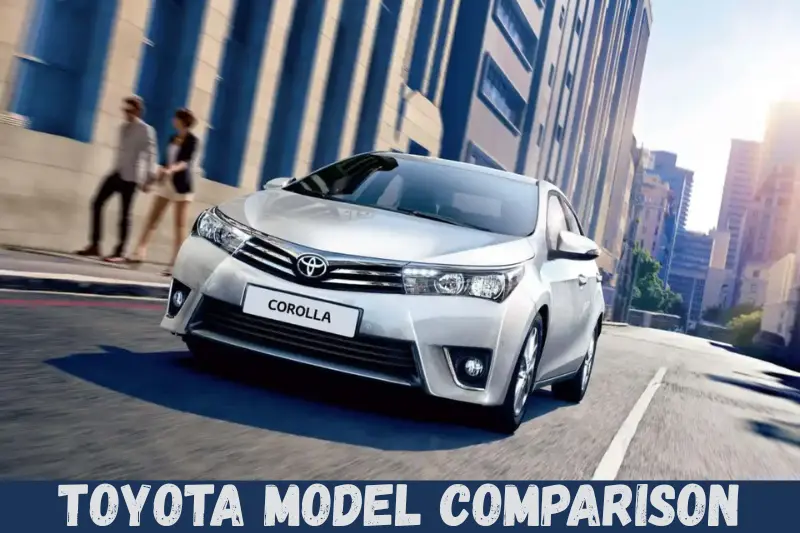
For city use, smaller cars like Corolla or Yaris work well. For families, SUVs like RAV4 or Fortuner are better. This first step narrows your Toyota model comparison quickly.
Step 2: Choose the Body Type
Toyota offers sedans, hatchbacks, SUVs, trucks, and hybrids. Each body type serves a different purpose.
Sedans offer comfort and fuel efficiency. SUVs provide space and higher driving position. Trucks are best for heavy-duty tasks.
Selecting the right body type makes the Toyota model comparison more focused and effective.
Step 3: Compare Engine and Performance
Next, compare engine options. Some Toyota models offer petrol, diesel, and hybrid engines.
If fuel savings matter, hybrids like Prius or Corolla Hybrid are strong choices. If power matters, models like Fortuner or Land Cruiser stand out.
Performance comparison helps balance power and efficiency based on your needs.
Step 4: Review Fuel Economy
Fuel cost is a long-term expense. Toyota is known for efficient engines, but numbers still vary.
Smaller cars and hybrids consume less fuel. Larger SUVs consume more but offer strength and space.
During Toyota model comparison, always check real-world fuel economy, not just official figures.
Step 5: Check Safety Features
Toyota includes advanced safety systems in many models. These may include lane assist, adaptive cruise control, and emergency braking.
Higher trims usually offer more safety features. Comparing safety ratings helps protect you and your passengers.
Safety should always be a priority in Toyota model comparison.
Step 6: Evaluate Interior and Technology
Comfort matters, especially for daily driving. Compare seat quality, infotainment systems, screen size, and connectivity.
Some models offer basic interiors, while others feel premium. Decide what level of comfort you expect.
This step ensures your Toyota feels good to drive every day.
Step 7: Compare Price and Ownership Costs
Finally, compare purchase price, maintenance cost, and resale value.
Toyota vehicles generally hold value well. However, luxury and larger models cost more to maintain.
A complete Toyota model comparison includes both short-term and long-term costs.
Benefits of Toyota Model Comparison
- Helps you choose the right Toyota for your lifestyle
- Saves money by avoiding unnecessary features
- Improves long-term satisfaction and comfort
- Clarifies differences between similar models
- Supports smarter budgeting and planning
- Reduces chances of buyer regret
Disadvantages / Risks
- Can feel overwhelming for first-time buyers
- Too much information may cause confusion
- Comparing without clear needs wastes time
- Ignoring test drives reduces accuracy
- Focusing only on price can lead to poor choice
Common Mistakes to Avoid
One common mistake is comparing too many models at once. This creates confusion. Focus on three or four options only.
Another mistake is ignoring future needs. A small car may suit today, but not future family plans.
Some buyers also skip professional inspection and test drives. No Toyota model comparison is complete without real driving experience.
Lastly, do not rely only on online opinions. Personal needs matter more than trends.
FAQs
What is the best Toyota model for beginners?
For beginners, Corolla is often the best choice. It is easy to drive, reliable, fuel efficient, and affordable to maintain.
Which Toyota SUV is best for families?
RAV4 is ideal for small families, while Fortuner suits larger families needing more space and power.
Are Toyota hybrid models worth buying?
Yes, Toyota hybrids offer excellent fuel savings and reliability. They are especially good for city driving.
How important is resale value in Toyota model comparison?
Resale value is very important. Toyota vehicles usually have high resale value, reducing long-term cost.
Should I choose petrol or diesel Toyota?
Petrol suits city use, while diesel is better for long-distance driving. Hybrids offer the best efficiency.
Is Toyota maintenance expensive?
Toyota maintenance is generally affordable compared to many other brands. Costs vary by model.
Expert Tips & Bonus Points
Always start Toyota model comparison with your budget range. This prevents unrealistic choices.
Test drive at least two models before deciding. Real driving reveals comfort and handling differences.
Check warranty and service packages. These add long-term value and peace of mind.
Also, consider availability of spare parts in your area. Toyota usually performs well in this aspect.
Finally, think long term. A slightly higher initial price may offer better reliability and resale value later.
Conclusion
Toyota model comparison is one of the smartest steps you can take before buying a car. Toyota offers a wide range of reliable vehicles, but each model serves a different purpose. Without comparison, it is easy to choose the wrong car or overspend on features you do not need.
By comparing driving needs, body type, engine options, fuel economy, safety, comfort, and cost, you gain full control over your decision. This process turns confusion into clarity. Beginners learn the basics, while intermediate buyers refine their preferences with confidence.