
Introduction
Hybrid engine technology is changing the way people think about cars and fuel. As fuel prices rise and environmental concerns grow, drivers are looking for smarter and cleaner options. This is where hybrid engine technology plays an important role. It combines traditional fuel engines with electric power to deliver better performance and improved fuel efficiency.
In simple words, hybrid engine technology allows a vehicle to use two power sources instead of one. Most hybrid cars use a petrol engine along with an electric motor. These systems work together to reduce fuel use and lower harmful emissions. As a result, drivers save money and contribute to a cleaner environment at the same time.
What is Hybrid Engine Technology?
Hybrid engine technology is a vehicle system that uses more than one source of power to move the car. Usually, it combines a petrol or diesel engine with an electric motor and a battery.
The main goal of hybrid engine technology is to improve fuel efficiency and reduce emissions. The electric motor supports the engine during driving, especially at low speeds. This reduces fuel consumption and engine stress.
In many hybrid vehicles, the electric motor can power the car on its own for short distances. When more power is needed, the fuel engine joins in. The system automatically switches between power sources based on driving conditions.
Hybrid engine technology does not require constant charging like fully electric cars. The battery is charged through regenerative braking and engine operation. This makes hybrids easier to use for beginners.
Overall, hybrid engine technology offers a balanced solution between traditional fuel vehicles and fully electric cars.
Why is Hybrid Engine Technology Important?
Hybrid engine technology is important because it addresses major problems related to fuel use and pollution. Traditional vehicles rely only on fuel engines, which consume more petrol and produce harmful emissions.
One major reason hybrid engine technology matters is fuel efficiency. By using electric power during slow driving, hybrids consume less fuel. This helps drivers save money over time.
Another important factor is environmental protection. Hybrid engine technology reduces carbon emissions, making it a cleaner option for daily transportation. This is especially important in crowded cities.
Hybrid engine technology also supports energy conservation. Using less fuel means fewer natural resources are wasted. Governments around the world support hybrid vehicles through incentives and policies.
Finally, hybrid engine technology acts as a bridge toward fully electric transportation. It helps people adapt to new driving habits without major lifestyle changes.
Detailed Step-by-Step Guide
Step 1: Understanding the Main Components
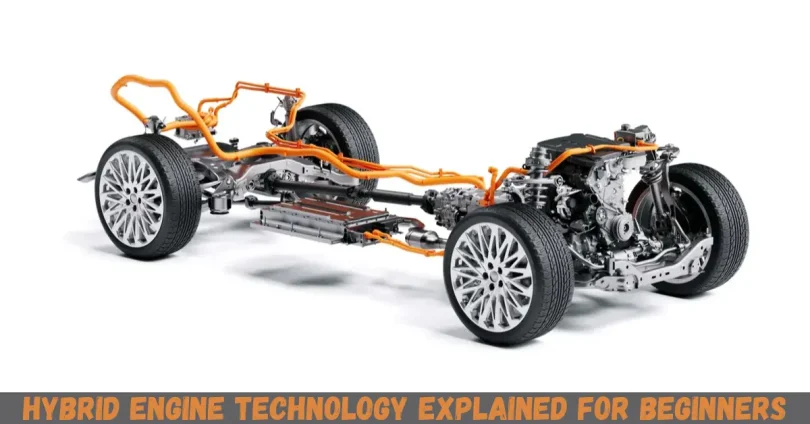
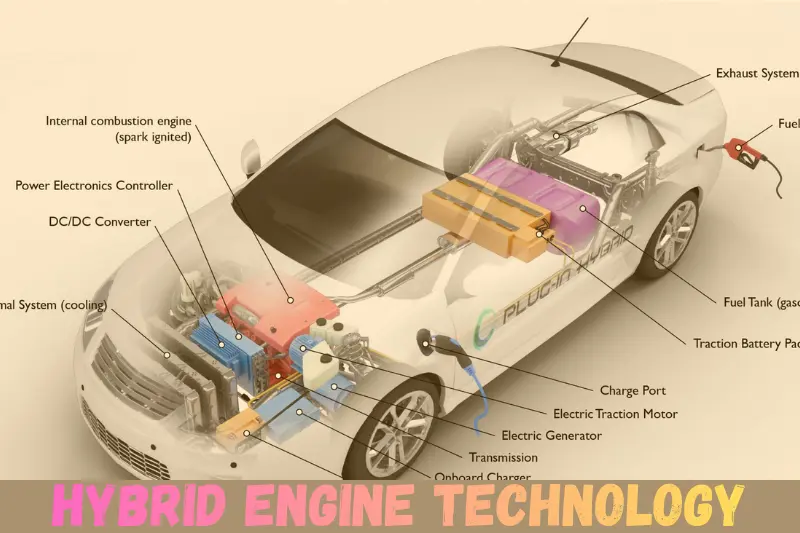
Hybrid engine technology includes several key components that work together:
- Internal combustion engine
- Electric motor
- Battery pack
- Power control unit
- Transmission system
Each component has a specific role. The engine provides power for high-speed driving, while the electric motor supports low-speed movement.
Step 2: How Power Switching Works
The system decides which power source to use based on speed and load. At low speeds, the electric motor is preferred. At higher speeds, the engine takes over.
This automatic switching makes hybrid engine technology easy to use. Drivers do not need to change anything manually.
Step 3: Regenerative Braking Process
When the driver applies brakes, the electric motor acts as a generator. It converts braking energy into electricity.
This energy is stored in the battery. Regenerative braking is a key feature of hybrid engine technology that improves efficiency.
Step 4: Battery Charging Mechanism
Hybrid batteries charge through braking and engine operation. Unlike electric cars, hybrids do not need external charging.
This makes hybrid engine technology more convenient for daily users.
Step 5: Driving Modes in Hybrid Vehicles
Most hybrid vehicles offer different driving modes:
- Electric mode
- Hybrid mode
- Engine-only mode
These modes allow the system to adapt to different driving conditions automatically.
Benefits of Hybrid Engine Technology
- Improved fuel efficiency
- Lower fuel costs over time
- Reduced carbon emissions
- Smooth and quiet driving experience
- Less engine wear and tear
- No need for external charging
- Suitable for city and highway driving
Hybrid engine technology provides both economic and environmental benefits, making it a practical choice for many drivers.
Disadvantages / Risks
- Higher initial purchase cost
- Battery replacement can be expensive
- Limited electric-only range
- Complex repair requirements
- Not fully emission-free
While hybrid engine technology has many advantages, it is important to understand these risks before making a decision.
Common Mistakes to Avoid
Many people misunderstand hybrid engine technology and make poor decisions. Common mistakes include:
- Assuming all hybrids require charging
- Ignoring battery warranty details
- Expecting electric-car performance
- Skipping regular maintenance
Understanding how hybrid engine technology works helps avoid these errors.
FAQs
What is hybrid engine technology in simple terms?
Hybrid engine technology uses both a fuel engine and an electric motor to power a vehicle. This improves efficiency and reduces emissions.
Do hybrid cars need charging?
Most hybrid vehicles do not need external charging. The battery charges automatically during driving and braking.
Is hybrid engine technology good for long drives?
Yes, hybrid vehicles perform well on highways and long trips. The fuel engine handles higher speeds efficiently.
How long do hybrid batteries last?
Hybrid batteries typically last 8 to 10 years. Many manufacturers offer long warranties for battery systems.
Are hybrid cars expensive to maintain?
Maintenance costs are usually similar to traditional cars. However, battery replacement can be costly if needed.
Is hybrid engine technology better than electric vehicles?
Hybrid engine technology offers flexibility and convenience, while electric vehicles provide zero emissions. The better choice depends on driving needs.
Expert Tips & Bonus Points
Experts suggest considering driving habits before choosing hybrid engine technology. City drivers benefit the most due to frequent braking.
Always check manufacturer battery warranties. This ensures long-term peace of mind.
Test drive different hybrid models to understand performance differences. Not all hybrid systems work the same way.
Regular maintenance helps keep hybrid engine technology systems running efficiently for years.
Conclusion
Hybrid engine technology represents a smart and balanced approach to modern transportation. It combines the strengths of traditional fuel engines with the efficiency of electric motors. This combination helps drivers save fuel, reduce emissions, and enjoy a smoother driving experience.
For beginners, hybrid engine technology is easy to understand and use. There is no need for charging stations or complex routines. The system manages everything automatically. This makes hybrid vehicles practical for everyday use.