
Introduction
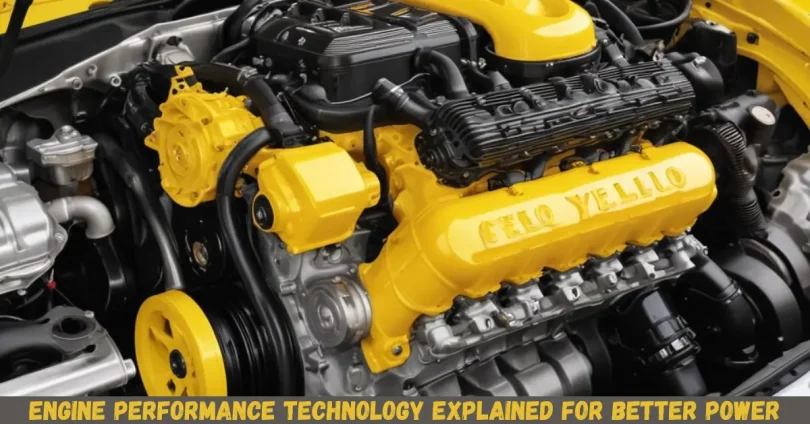
Engine performance technology has changed the way modern vehicles work, drive, and feel on the road. In simple words, it focuses on improving how an engine produces power, uses fuel, and responds to the driver. From daily city cars to high-performance sports vehicles, these technologies help engines run smoother, stronger, and more efficiently.
Today, drivers expect more than just basic transportation. They want better fuel economy, quick acceleration, low emissions, and long engine life. This is where engine performance technology plays a major role. It combines smart design, advanced materials, and digital control systems to make engines smarter and more reliable than ever before.
What is Engine Performance Technology?
Engine performance technology refers to the systems and methods used to improve how an engine operates. Its main goal is to increase power, efficiency, and reliability while reducing fuel consumption and emissions.
This technology includes both mechanical and electronic components. Mechanical parts include improved engine designs, better airflow systems, and stronger materials. Electronic parts include sensors, control units, and software that manage engine behavior in real time.
For example, modern engines use computers to control fuel injection, ignition timing, and air intake. These systems adjust instantly based on driving conditions. As a result, the engine delivers smooth performance in different situations.
Engine performance technology is not only about speed. It also focuses on balance. A well-optimized engine provides steady power, good mileage, and lower wear. This makes vehicles safer, cleaner, and more enjoyable to drive.
Why is Engine Performance Technology Important?
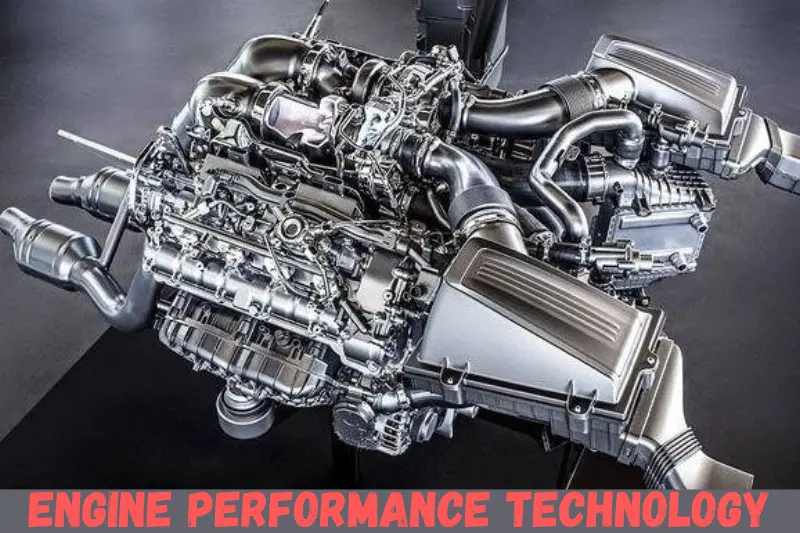
Engine performance technology is important because it directly affects how a vehicle performs and lasts over time. Without it, engines would be less efficient and more polluting.
One key reason is fuel efficiency. With rising fuel costs, drivers want engines that go farther on less fuel. Performance technology helps achieve this by controlling fuel and air precisely.
Another reason is environmental impact. Modern technology reduces harmful emissions by ensuring clean and complete fuel combustion. This helps meet strict emission standards worldwide.
Safety and reliability also depend on engine performance technology. A responsive engine allows better control during overtaking or emergency situations. At the same time, smart monitoring systems detect issues early, preventing major failures.
Finally, this technology improves the driving experience. Smooth acceleration, reduced noise, and consistent power make driving more comfortable and enjoyable.
Detailed Step-by-Step Guide
Step 1: Air Intake Optimization
The first step in engine performance technology is improving airflow. Engines need oxygen to burn fuel efficiently.
Modern air intake systems use advanced filters and smooth pathways. These designs reduce air resistance and deliver clean air to the engine. More air means better combustion and more power.
Step 2: Fuel Delivery Control
Fuel injection systems play a vital role in engine performance technology. Instead of older carburetors, modern engines use electronic fuel injection.
Sensors measure engine speed, load, and temperature. Based on this data, the system injects the exact amount of fuel needed. This improves efficiency and reduces fuel waste.
Step 3: Ignition Timing Management
Ignition timing determines when the fuel-air mixture ignites. Advanced engine control units adjust timing continuously.
When timing is optimized, the engine produces more power with less fuel. It also prevents engine knocking, which can cause damage.
Step 4: Engine Control Unit Integration
The engine control unit acts as the brain of engine performance technology. It collects data from various sensors and makes quick decisions.
This unit manages fuel injection, ignition, and emissions systems. Its software ensures all components work together smoothly.
Step 5: Exhaust System Enhancement
Exhaust systems are designed to remove gases efficiently. Performance-focused exhaust systems reduce back pressure.
Lower back pressure allows the engine to breathe better. This leads to improved power output and smoother operation.
Step 6: Cooling and Lubrication Improvements
Heat and friction affect engine performance. Advanced cooling systems maintain optimal engine temperature.
High-quality lubrication reduces friction between moving parts. Together, these systems protect the engine and maintain consistent performance.
Benefits of Engine Performance Technology
- Improved fuel efficiency and reduced fuel costs
- Increased engine power and smoother acceleration
- Lower emissions and cleaner exhaust output
- Better engine reliability and longer lifespan
- Enhanced driving comfort and responsiveness
- Reduced maintenance issues through smart monitoring
Disadvantages / Risks
- Higher initial cost for advanced technology systems
- Complex components that require skilled maintenance
- Repairs can be expensive if electronic parts fail
- Poor-quality upgrades may cause engine issues
- Incorrect tuning can reduce engine life
Common Mistakes to Avoid
One common mistake is ignoring regular maintenance. Even advanced engine performance technology needs clean filters, good oil, and timely servicing.
Another mistake is using low-quality fuel. Poor fuel can harm sensors and reduce performance.
Some drivers also make the mistake of installing cheap performance parts. These parts may not match the engine design and can cause damage.
Finally, ignoring warning lights is a serious error. Modern engines provide early alerts, and ignoring them can lead to costly repairs.
FAQs
What does engine performance technology actually do?
Engine performance technology improves how an engine produces power and uses fuel. It controls air intake, fuel delivery, and ignition timing to ensure efficient operation.
Is engine performance technology only for sports cars?
No, it is used in almost all modern vehicles. Even small family cars benefit from improved efficiency and cleaner emissions.
Can engine performance technology improve fuel economy?
Yes, one of its main goals is better fuel efficiency. Precise control systems reduce fuel waste and optimize combustion.
Does this technology increase engine lifespan?
When properly maintained, it can extend engine life. Smart systems reduce stress and detect issues early.
Is engine performance technology expensive to maintain?
Routine maintenance is not usually expensive. However, repairs involving advanced electronics can cost more if problems arise.
Can older cars use engine performance technology?
Some features can be added to older vehicles, such as improved air filters or tuning systems. However, full integration is easier in modern engines.
Expert Tips & Bonus Points
Always follow the manufacturer’s maintenance schedule to keep engine performance technology working properly. Use high-quality fuel and engine oil for best results.
If you plan upgrades, choose parts designed specifically for your engine model. Professional installation and tuning are also important.
Pay attention to engine behavior. Changes in sound, vibration, or fuel consumption can indicate issues. Early action saves money and protects performance.
Finally, keep software updates in mind. Many modern engines receive updates that improve performance and efficiency over time.
Conclusion
Engine performance technology has become an essential part of modern vehicles. It brings together mechanical design and smart electronics to deliver better power, efficiency, and reliability. For beginners and intermediate readers, understanding this technology helps build confidence and awareness about how engines work.
This technology does more than increase speed. It improves fuel economy, reduces emissions, and enhances overall driving comfort. By controlling air, fuel, ignition, and temperature, engines operate in a balanced and efficient way.