
Introduction
Modern car engine systems have changed the way vehicles perform, consume fuel, and protect the environment. In the past, car engines were simple mechanical machines. Today, they are smart systems controlled by sensors, computers, and advanced technology. Understanding modern car engine systems is important for drivers, car owners, and anyone interested in automotive technology.
For beginners, engine systems may sound complex. However, when explained in simple words, the basic ideas are easy to understand. Modern car engine systems focus on better fuel efficiency, lower emissions, smoother driving, and longer engine life. They combine mechanical parts with electronic control units to deliver power in the most efficient way.
What is Modern Car Engine Systems?
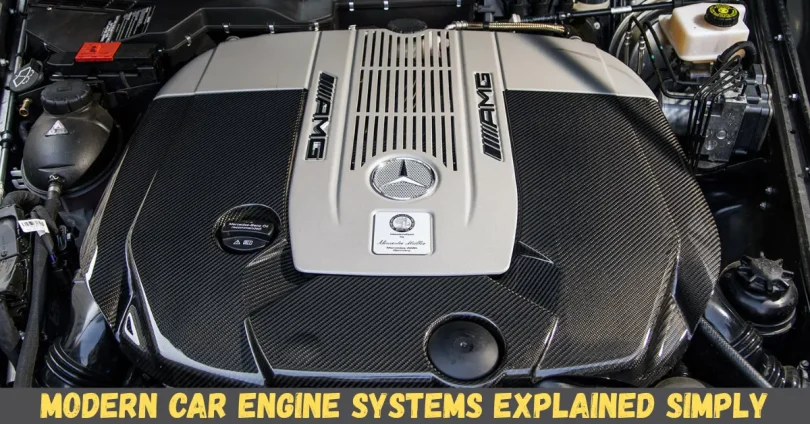
Modern car engine systems refer to advanced engine designs that use electronics, sensors, and software to control how an engine works. Unlike old engines, modern systems do not rely only on mechanical parts. Instead, they use smart control units to adjust fuel delivery, air intake, ignition timing, and emissions.
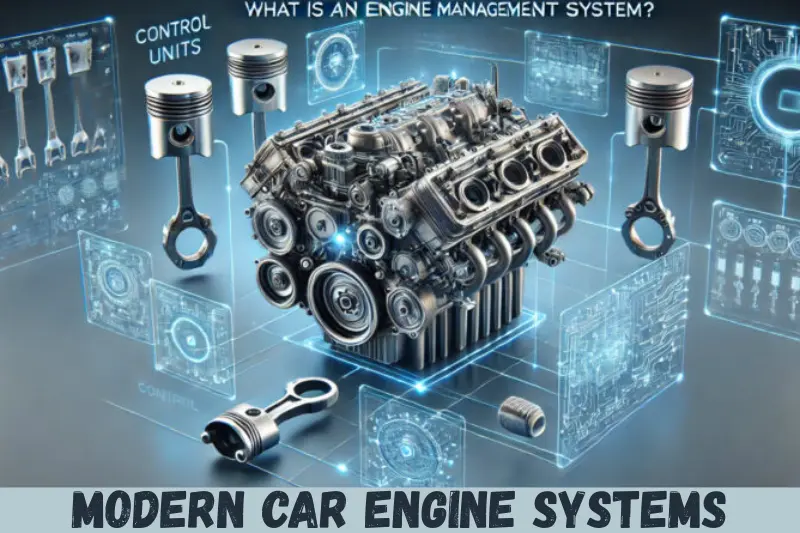
At the center of modern car engine systems is the Engine Control Unit, often called the ECU. This small computer receives information from different sensors placed around the engine. Based on this data, the ECU makes quick decisions to keep the engine running smoothly and efficiently.
Modern car engine systems include petrol engines, diesel engines, hybrid engines, and fully electric powertrains. Even though their designs differ, they share a common goal. That goal is to produce power while using less fuel and producing fewer harmful gases.
In simple terms, modern car engine systems are intelligent engines. They think, adjust, and respond in real time to driving conditions. This makes cars more reliable, cleaner, and easier to drive than ever before.
Why is Modern Car Engine Systems Important?
Modern car engine systems are important because they improve both performance and sustainability. As fuel prices rise and environmental rules become stricter, efficient engines are no longer optional. They are necessary.
One major reason modern car engine systems matter is fuel efficiency. Smart control systems ensure that only the required amount of fuel is burned. This reduces waste and saves money over time. For daily drivers, this means fewer trips to the fuel station.
Another key reason is environmental protection. Modern engines produce fewer emissions compared to older designs. Systems like catalytic converters and exhaust gas recirculation help reduce harmful gases released into the air.
Safety and reliability also improve with modern car engine systems. Sensors can detect problems early and warn the driver. This prevents major engine damage and reduces repair costs.
Finally, modern car engine systems offer a smoother driving experience. Automatic adjustments ensure stable power delivery, even in changing road or weather conditions. This balance of efficiency, safety, and comfort makes modern engines essential in today’s vehicles.
Detailed Step-by-Step Guide
Step 1: Air Intake System
The air intake system is the starting point of modern car engine systems. Engines need clean air to burn fuel properly. The air filter removes dust and dirt before air enters the engine.
Modern systems use sensors to measure how much air enters the engine. This data helps the ECU decide how much fuel to inject. A clean and well-designed intake improves performance and fuel economy.
Step 2: Fuel Injection System
Fuel injection is a key feature of modern car engine systems. Older engines used carburetors, but modern engines use fuel injectors.
Fuel injectors spray fuel directly into the engine in precise amounts. This ensures efficient combustion. Electronic fuel injection also adjusts fuel delivery based on speed, load, and temperature.
Step 3: Engine Control Unit
The Engine Control Unit is the brain of modern car engine systems. It processes data from sensors and controls engine functions.
For example, if the engine is cold, the ECU adjusts fuel flow to help warm it up. If the car is cruising at a steady speed, the ECU reduces fuel use. This constant adjustment improves efficiency and engine life.
Step 4: Ignition System
The ignition system creates the spark that ignites fuel inside the engine. Modern car engine systems use electronic ignition instead of mechanical systems.
Electronic ignition provides accurate timing for each spark. This leads to smoother acceleration and reduced emissions. It also requires less maintenance.
Step 5: Cooling System
Engines generate a lot of heat. The cooling system keeps temperatures within safe limits. Modern car engine systems use advanced cooling designs and sensors.
If the engine overheats, sensors alert the ECU. The system may reduce power or turn on cooling fans automatically. This protects the engine from damage.
Step 6: Exhaust and Emission Control
Exhaust systems in modern car engine systems are designed to reduce pollution. Components like catalytic converters break down harmful gases.
Sensors monitor exhaust gases and adjust engine settings. This ensures compliance with environmental standards while maintaining performance.
Benefits of Modern Car Engine Systems
- Improved fuel efficiency for lower running costs
- Reduced harmful emissions and cleaner air
- Better engine performance and smooth acceleration
- Increased reliability with smart monitoring systems
- Lower maintenance needs due to precise control
- Enhanced driving comfort and consistency
- Longer engine lifespan with controlled operation
Disadvantages / Risks
- Higher repair costs due to complex components
- Dependence on electronic systems and sensors
- Requires skilled technicians for diagnostics
- Sensitive to poor fuel quality
- Software issues can affect performance
Common Mistakes to Avoid
Many drivers misunderstand modern car engine systems and make avoidable mistakes. One common mistake is ignoring warning lights. These lights are early signals of problems and should never be ignored.
Another mistake is skipping regular maintenance. Even though modern engines are advanced, they still need oil changes and inspections. Using low-quality fuel can also harm sensitive components.
Some drivers attempt repairs without proper knowledge. This can damage electronic parts and increase repair costs. Always trust trained professionals when dealing with modern car engine systems.
FAQs
What makes modern car engine systems different from old engines?
Modern car engine systems use electronic controls and sensors. Old engines relied mostly on mechanical parts with limited adjustment.
Are modern car engine systems more reliable?
Yes, they are more reliable because they monitor themselves and adjust in real time. However, they require proper maintenance.
Do modern engines need special fuel?
Most modern engines are designed for specific fuel types. Using recommended fuel ensures best performance and longevity.
Can modern car engine systems be repaired easily?
Repairs can be complex due to electronics. Skilled technicians and diagnostic tools are often required.
How do modern engines reduce emissions?
They use catalytic converters, sensors, and precise fuel control to minimize harmful gases.
Are modern car engine systems suitable for beginners?
Yes, they are user-friendly. Drivers do not need technical knowledge to operate them safely.
Expert Tips & Bonus Points
Regular maintenance is the key to keeping modern car engine systems healthy. Always follow the manufacturer’s service schedule. Use high-quality fuel and engine oil to protect sensitive components.
Pay attention to engine sounds and warning lights. Early action can prevent expensive repairs. Also, keep software updates in mind, as some modern engines rely on updated control programs.
Learning basic engine behavior helps drivers communicate better with mechanics. Understanding modern car engine systems gives confidence and improves ownership experience.
Conclusion
Modern car engine systems represent the perfect balance between technology and performance. They are designed to meet the needs of today’s drivers while protecting the environment. Through smart sensors, electronic controls, and efficient designs, these systems deliver reliable power and improved fuel economy.
For beginners, understanding modern car engine systems may seem challenging at first. However, when broken into simple parts, the concept becomes clear. From air intake to exhaust control, every component works together to create a smooth driving experience.