
Introduction
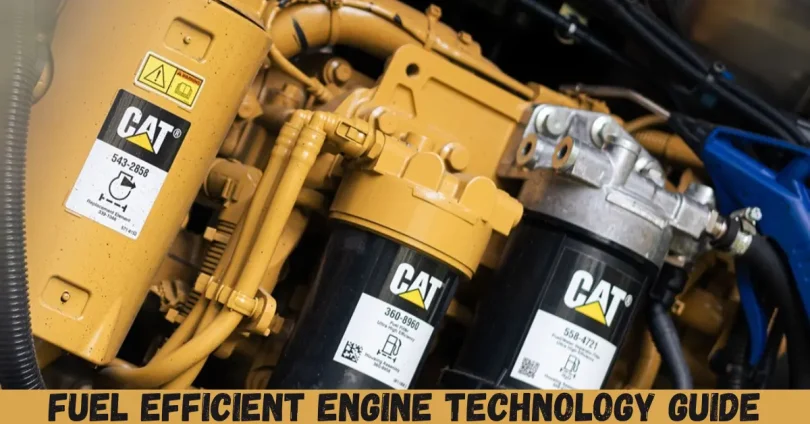
Fuel efficiency has become a top priority for vehicle owners, manufacturers, and governments around the world. Rising fuel costs, environmental concerns, and stricter emission standards have pushed the automotive industry to develop fuel efficient engine technology that balances performance with economy. Whether you are a daily commuter, a car enthusiast, or someone planning to buy a new vehicle, understanding how modern engines achieve better mileage can save money and reduce environmental impact.
Fuel efficient engine technology is no longer limited to hybrid cars or electric vehicles. Conventional gasoline and diesel engines have evolved significantly with advanced designs and innovative engineering. From smaller engine sizes to turbocharging, direct injection, and variable valve timing, manufacturers are constantly finding ways to optimize fuel consumption without compromising performance.
What is Fuel Efficient Engine Technology?
Fuel efficient engine technology refers to advancements and techniques in vehicle engines designed to reduce fuel consumption while maintaining or enhancing performance. It combines mechanical engineering, electronic systems, and innovative design to optimize the combustion process.
At its core, fuel efficiency depends on how effectively an engine converts fuel into usable energy. Traditional engines often waste energy as heat, vibration, or friction. Modern fuel efficient engines reduce these losses with improved materials, precise fuel delivery systems, and intelligent control mechanisms.
Examples of fuel efficient engine technology include:
- Turbocharged engines: Small engines with forced air intake improve power without increasing fuel consumption.
- Direct fuel injection: Delivers fuel directly into the combustion chamber for more precise burning.
- Variable valve timing (VVT): Adjusts the opening and closing of valves for optimal airflow and efficiency.
- Cylinder deactivation: Shuts off unnecessary cylinders during light loads to save fuel.
- Hybrid systems: Combine gasoline engines with electric motors to reduce fuel usage.
By understanding these technologies, drivers can choose vehicles and maintenance practices that maximize efficiency and minimize environmental impact.
Why is Fuel Efficient Engine Technology Important?
Fuel efficient engine technology is essential for multiple reasons:
- Cost Savings: Less fuel consumption directly reduces monthly spending on petrol or diesel. Over years, even small improvements in efficiency can save thousands.
- Environmental Protection: Fuel efficient engines produce fewer greenhouse gases. By burning fuel more completely and efficiently, they contribute to cleaner air and lower carbon emissions.
- Regulatory Compliance: Governments worldwide are imposing strict fuel economy and emission standards. Vehicles with advanced engine technology are more likely to meet these regulations.
- Extended Vehicle Life: Efficient engines often experience less stress, which reduces wear and tear and extends the life of components such as pistons, valves, and turbochargers.
- Improved Performance: Contrary to common belief, fuel efficiency does not mean low power. Modern engines can deliver high torque and acceleration while consuming less fuel.
- Energy Conservation: Using fuel efficiently reduces overall demand for fossil fuels, promoting sustainability and conserving natural resources.
Understanding the importance of fuel efficiency can influence your vehicle choice, driving habits, and maintenance routines, ensuring that both your wallet and the planet benefit.
Detailed Step-by-Step Guide to Fuel Efficient Engine Technology
Step 1: Engine Design Optimization
The foundation of fuel efficiency starts with engine design. Manufacturers focus on:
- Smaller displacement engines: Modern engines use smaller cylinders with turbocharging to deliver the same power as larger engines.
- Lightweight components: Aluminum blocks and pistons reduce internal friction and energy loss.
- Optimized combustion chambers: Shaping the chamber for better fuel-air mixing improves burning efficiency.
Step 2: Advanced Fuel Delivery
Accurate fuel delivery is critical. Technology includes:
- Direct injection systems: Fuel is sprayed directly into the combustion chamber at high pressure, improving atomization and combustion.
- Multi-point injection: Delivers fuel to each cylinder individually, optimizing fuel use.
Step 3: Turbocharging and Supercharging
Forced induction increases air intake, allowing smaller engines to produce more power without extra fuel. Key points:
- Turbochargers use exhaust gases to spin turbines and compress air.
- Superchargers are mechanically driven, providing immediate power boost.
- Both systems improve efficiency by extracting more energy from each unit of fuel.
Step 4: Variable Valve Timing (VVT)
VVT systems adjust valve operation according to engine speed and load:
- Opens valves longer during high power demand.
- Reduces lift and timing at low speed to save fuel.
- Improves torque and fuel economy simultaneously.
Step 5: Cylinder Deactivation
Some engines deactivate certain cylinders when full power is not needed:
- Reduces friction and fuel consumption during cruising.
- Reactivates cylinders automatically when more power is required.
Step 6: Hybrid and Electric Assist
Hybrid systems combine conventional engines with electric motors:
- Electric motors handle low-speed driving, reducing fuel use.
- Regenerative braking recovers energy that would otherwise be lost.
- Plug-in hybrids allow short trips purely on electric power.
Step 7: Engine Management Systems
Modern ECUs (Engine Control Units) monitor and adjust engine parameters in real-time:
- Controls air-fuel ratio and ignition timing.
- Detects driving conditions and optimizes fuel efficiency.
- Integrates with transmission and hybrid systems for seamless operation.
Step 8: Aerodynamics and Weight Reduction
While technically part of vehicle design, these factors affect engine efficiency:
- Reducing drag decreases fuel consumption at high speeds.
- Lightweight materials reduce the power needed for acceleration.
Step 9: Regular Maintenance
Even advanced engines lose efficiency if not maintained properly:
- Clean air and fuel filters improve combustion.
- Regular oil changes reduce friction.
- Proper tire pressure and wheel alignment reduce load on the engine.
By following these steps, modern engines achieve significant fuel savings without sacrificing performance.
Benefits of Fuel Efficient Engine Technology
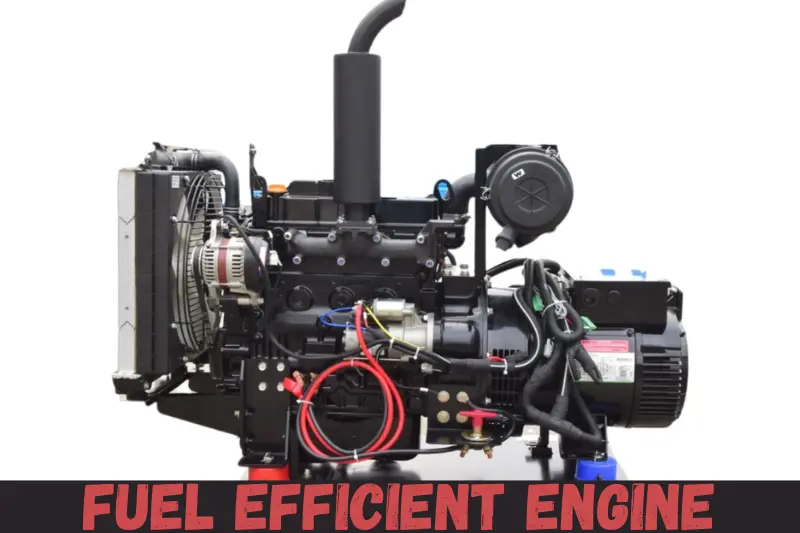
- Reduced Fuel Costs: Save money on daily commuting and long trips.
- Lower Emissions: Contribute to cleaner air and reduced greenhouse gases.
- Improved Engine Longevity: Less stress and wear on components.
- Enhanced Vehicle Performance: Efficient engines often produce better torque and responsiveness.
- Compliance with Regulations: Meet global emission and fuel economy standards.
- Environmental Sustainability: Reduce dependence on fossil fuels.
- Resale Value: Vehicles with fuel-efficient engines often retain higher resale value.
Disadvantages / Risks
- Higher Initial Cost: Advanced engines are more expensive to manufacture, increasing purchase price.
- Complex Repairs: Sophisticated systems like turbochargers and hybrids may require specialized maintenance.
- Potential for Reduced Reliability: Poor maintenance or cheap parts can lead to failures.
- Limited DIY Options: Many fuel-efficient engines require professional service.
- Battery Degradation (Hybrids): Electric components can lose efficiency over time.
- Higher Repair Costs: Some components are costly to replace if they fail.
Despite these risks, careful maintenance and informed usage can minimize problems.
Common Mistakes to Avoid
- Ignoring Regular Maintenance: Skipping oil changes or filter replacements reduces efficiency.
- Overloading the Vehicle: Extra weight increases fuel consumption.
- Aggressive Driving: Frequent acceleration and braking waste fuel.
- Neglecting Tire Pressure: Low tires increase rolling resistance and fuel usage.
- Using Cheap Fuel or Oil: Poor quality products can reduce engine performance.
- Modifying the Engine Improperly: Aftermarket changes can hurt efficiency.
- Ignoring Engine Warnings: Dashboard alerts often signal efficiency-related problems.
Avoiding these mistakes ensures you get maximum benefit from fuel efficient engine technology.
FAQs
1. What is the most fuel-efficient engine type?
Hybrid engines are generally the most fuel-efficient, especially in city driving, as they combine electric motors with gasoline engines. Modern small turbocharged engines are also highly efficient on highways.
2. How much can fuel-efficient technology save me?
Depending on the vehicle and driving habits, fuel-efficient engines can save 10–30% of fuel compared to conventional engines. Over a year, this can amount to hundreds or even thousands of dollars.
3. Does fuel-efficient mean less power?
Not necessarily. Technologies like turbocharging and VVT allow small engines to produce high power while consuming less fuel. Efficiency and performance can go hand-in-hand.
4. Are diesel engines more fuel-efficient than gasoline engines?
Diesel engines are typically more fuel-efficient due to higher compression ratios and energy content in diesel fuel. However, they may produce higher NOx emissions.
5. How often should I maintain a fuel-efficient engine?
Follow manufacturer guidelines, typically every 5,000–10,000 km for oil changes and 15,000–30,000 km for major inspections. Regular checks on filters, belts, and spark plugs are essential.
6. Can driving habits affect fuel efficiency?
Yes. Smooth acceleration, moderate speed, and maintaining steady RPMs improve fuel economy. Avoiding heavy braking and reducing idling also helps.
7. Are hybrid engines more expensive to maintain?
Initial maintenance may cost more due to electric components. However, reduced fuel consumption and fewer engine wear issues can offset these costs over time.
8. Can software updates improve fuel efficiency?
Yes. Modern vehicles rely on ECU programming for fuel management. Updates can optimize fuel injection, ignition timing, and hybrid systems for better performance.
9. Is fuel-efficient technology worth it for older cars?
Retrofitting some efficiency improvements like better tires or engine tuning can help, but full benefits are usually seen in modern engines designed for efficiency from the start.
10. What is the future of fuel-efficient engines?
Hybridization, electric assist, and alternative fuels like hydrogen are shaping the future. Even traditional engines continue to become more efficient with advanced materials and smart electronics.
Expert Tips & Bonus Points
- Drive Smoothly: Avoid rapid acceleration and braking; it improves fuel consumption by 20–30%.
- Monitor Tire Pressure: Properly inflated tires reduce engine load and improve mileage.
- Use Higher Gears: Driving in higher gears at lower RPM saves fuel.
- Lighten the Load: Remove unnecessary cargo to reduce strain on the engine.
- Regular Software Updates: Keep your ECU and hybrid systems updated for optimal efficiency.
- Consider Engine Oils Carefully: Low-viscosity oils reduce friction and improve mileage.
- Plan Your Routes: Avoid congested areas to minimize idling time.
- Use AC Wisely: Air conditioning can increase fuel consumption by up to 10%.
- Hybrid Tricks: For hybrids, try coasting and regenerative braking techniques to maximize electric assist.
Conclusion
Fuel efficient engine technology is no longer just an option; it is a necessity for cost-conscious drivers and a sustainable future. From smaller, turbocharged engines to hybrid systems and advanced fuel management technologies, modern vehicles offer numerous ways to reduce fuel consumption while maintaining performance. Understanding these technologies helps you make smarter choices when buying a car, maintaining your engine, and adapting driving habits.
While there are challenges such as higher initial costs and specialized maintenance, the long-term savings, environmental benefits, and improved performance outweigh these drawbacks. By avoiding common mistakes, following expert tips, and embracing innovative technologies, you can maximize fuel efficiency and enjoy smoother, more economical driving.