
Introduction
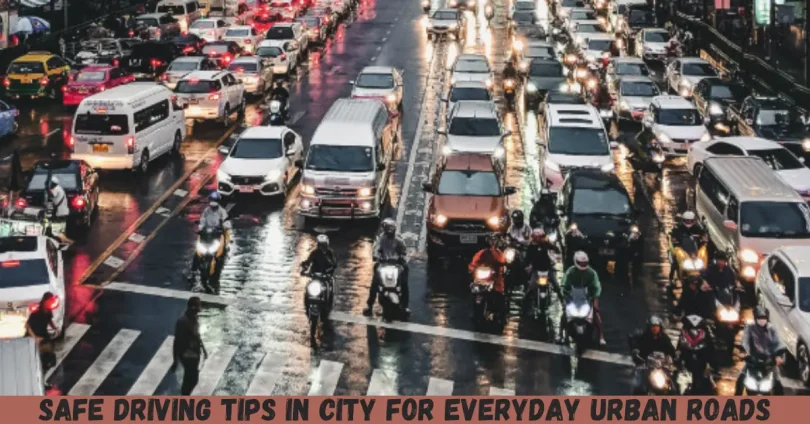
Driving in a busy city can feel stressful, especially for new drivers. Roads are crowded, signals change quickly, and people are often in a hurry. That is why learning Safe Driving Tips in City environments is essential for everyone who drives daily or occasionally. City driving is very different from highway driving. You deal with pedestrians, cyclists, public transport, and sudden stops almost all the time.
Many accidents happen not because drivers are careless, but because they are unprepared for urban conditions. With the right mindset and habits, city driving can become safer and more manageable. These safe driving tips in city traffic help you stay calm, alert, and in control even during rush hours.
What is Safe Driving Tips in City?
Safe driving tips in city refer to a set of practical rules and habits designed to help drivers handle urban traffic safely. City roads are full of activity, including pedestrians crossing, buses stopping, bikes sharing lanes, and cars changing direction without warning.
These tips focus on awareness, patience, and control. They teach drivers how to read traffic signals properly, maintain safe distances, and react calmly to unexpected situations. Unlike highways, city driving requires constant attention at lower speeds.
For example, stopping smoothly at signals, checking mirrors often, and watching sidewalks are all part of safe city driving. These tips also include understanding road signs, respecting speed limits, and adjusting driving style based on traffic flow.
In simple terms, safe driving tips in city help you avoid accidents by making smart decisions in complex urban environments.
Why is Safe Driving Tips in City Important?
City driving comes with higher risks because many things happen at the same time. One small mistake can lead to serious consequences. That is why following safe driving tips in city areas is so important.
First, cities have a high number of pedestrians and cyclists. They can appear suddenly from between parked cars or sidewalks. Second, traffic congestion increases frustration and impatience, leading to risky behavior. Third, frequent stops and starts increase the chance of rear-end collisions.
Safe city driving protects not only drivers but also passengers and people outside the vehicle. It reduces injuries, saves lives, and lowers vehicle repair costs. Moreover, safe drivers often enjoy smoother journeys and less stress.
By following proven tips, drivers build confidence and develop better judgment. Over time, safe driving becomes a natural habit rather than a forced effort.
Detailed Step-by-Step Guide
Understand City Traffic Patterns
Every city has its own traffic behavior. Spend time observing peak hours, school zones, and busy intersections. Understanding patterns helps you anticipate problems before they happen.
For instance, some roads are crowded in the morning but clear at night. Knowing this allows better planning and safer driving decisions.
Maintain a Safe Speed
Driving too fast in city areas is dangerous. Speed limits exist for a reason. Lower speeds give you more time to react to sudden events.
Always adjust your speed based on traffic density, weather, and visibility. Slow down near markets, schools, and residential areas.
Keep a Safe Following Distance
City traffic involves frequent braking. Keeping enough distance from the vehicle ahead reduces collision risk.
A good rule is to stay at least two seconds behind in normal conditions and increase distance in rain or fog.
Watch for Pedestrians and Cyclists
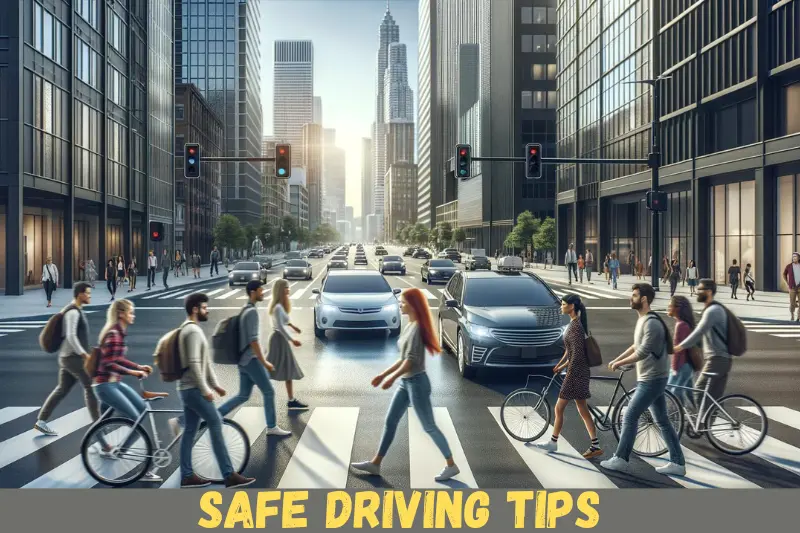
Pedestrians may cross even when signals are red. Cyclists may ride close to lanes. Always scan sidewalks and bike lanes.
Make eye contact when possible and slow down near crossings.
Use Mirrors and Signals Properly
Check mirrors often to know what is happening around your vehicle. Always use indicators before turning or changing lanes.
Clear signaling helps other drivers understand your intentions and prevents confusion.
Avoid Distractions
City driving requires full attention. Avoid using mobile phones, eating, or adjusting settings while driving.
If you need to focus on something, pull over safely first.
Follow Traffic Signals and Signs
Never rush through yellow lights or ignore stop signs. City signals are timed to manage heavy traffic.
Obeying signals keeps traffic flowing smoothly and reduces accidents.
Be Patient in Traffic Jams
Traffic jams test patience. Honking, aggressive moves, or sudden lane changes increase danger.
Stay calm, breathe deeply, and move with traffic flow.
Benefits of Safe Driving Tips in City
- Reduced risk of accidents and injuries
- Better protection for pedestrians and cyclists
- Lower vehicle repair and maintenance costs
- Less stress and road rage
- Improved fuel efficiency due to smooth driving
- Increased confidence and driving skills
Disadvantages / Risks
- Requires constant attention, which can be tiring
- Slower travel time compared to aggressive driving
- Demands patience during heavy congestion
- Learning curve for new drivers
Common Mistakes to Avoid
Many drivers make similar mistakes in city traffic. Avoid speeding to beat signals, tailgating, and ignoring pedestrians.
Another common error is assuming others will follow rules. Always expect the unexpected.
Failing to use signals, blocking intersections, and driving while distracted also increase risks. Awareness of these mistakes helps you avoid them.
FAQs
What is the biggest danger in city driving?
The biggest danger is unpredictability. Pedestrians, cyclists, and other drivers can behave unexpectedly, requiring quick reactions.
How can beginners feel confident driving in cities?
Practice during off-peak hours, learn routes, and apply safe driving tips in city traffic consistently.
Is slow driving always safer in cities?
Driving too slowly can also be risky. Maintain a balanced speed that matches traffic flow and conditions.
How do traffic signals help city safety?
Signals manage vehicle and pedestrian movement, reducing confusion and collision risk.
Should I use horns often in city traffic?
Use horns only when necessary to warn others. Excessive honking creates stress and distraction.
How does weather affect city driving?
Rain, fog, or heat reduce visibility and road grip. Adjust speed and distance accordingly.
Expert Tips & Bonus Points
Experienced drivers suggest planning routes in advance to avoid congested areas. Keeping your vehicle well-maintained also improves safety.
Adjust mirrors correctly before driving and stay aware of blind spots. Listening to calm music can reduce stress and improve focus.
Finally, always respect other road users. Courtesy and patience go a long way in city traffic.
Conclusion
City driving does not have to be stressful or dangerous. By applying the right habits and mindset, anyone can become a safer urban driver. These safe driving tips in city environments focus on awareness, patience, and smart decision-making. They help you manage busy roads, protect vulnerable users, and reduce accident risks.
Consistent practice is the key. The more you follow these tips, the more natural they become. Over time, you will notice improved confidence and smoother journeys. Remember that every safe decision contributes to a safer city for everyone.