
Introduction
Owning a car comes with the responsibility of keeping it well-maintained. Many car owners focus on driving but often overlook the importance of regular service. A proper Car Service Checklist ensures your vehicle remains safe, reliable, and efficient. By following a systematic approach, you can avoid costly repairs, extend the life of your car, and enhance its performance.
Even if you are a beginner, understanding what to check during a car service can save you time and money. Regular maintenance prevents small issues from turning into major problems. Moreover, it improves fuel efficiency, ensures safety, and maintains your car’s resale value. Whether you own a new car or an older model, a service checklist acts as a roadmap for keeping your vehicle in peak condition.
What is a Car Service Checklist?
A car service checklist is a detailed list of items and tasks to inspect, maintain, or replace during a car service. It acts as a roadmap for mechanics and car owners to systematically check each part of the vehicle. From engine fluids to tires, brakes, lights, and interior components, nothing should be overlooked.
The checklist helps identify potential issues before they become serious problems. It also ensures that your car remains safe, efficient, and reliable. Typically, a checklist is divided into sections based on the car’s systems, such as engine, transmission, brakes, suspension, and electrical components. Some checklists also include cosmetic items like bodywork and interior cleanliness.
A standard car service checklist can be used during routine services, annual checkups, or before long trips. It provides peace of mind that your vehicle is road-ready. Even if you are not mechanically inclined, knowing what to check during a service helps you communicate effectively with your mechanic and ensures quality maintenance.
Why is a Car Service Checklist Important?
Regular car maintenance is not just about avoiding breakdowns; it’s about safety, efficiency, and longevity. Here’s why a car service checklist is crucial:
- Prevents Major Repairs: Checking small items like oil, filters, or brakes can prevent expensive repairs later.
- Enhances Safety: Ensures brakes, tires, lights, and steering are in good condition to avoid accidents.
- Improves Fuel Efficiency: Properly maintained engines and tires reduce fuel consumption.
- Extends Vehicle Life: Regular checks keep all components running smoothly, extending your car’s lifespan.
- Maintains Resale Value: A well-documented service history shows buyers that the car is well cared for.
- Reduces Unexpected Breakdowns: Helps catch issues before they leave you stranded.
Ignoring a car service checklist may seem harmless at first but can lead to serious problems over time. From engine failure to brake malfunctions, the risks are high. Following a checklist ensures peace of mind for every journey.
Detailed Step-by-Step Guide
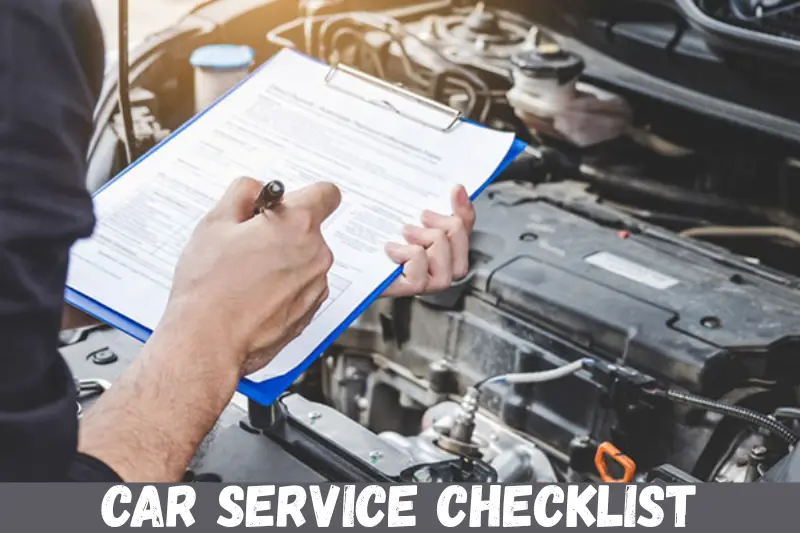
A proper car service involves multiple steps. Here’s a detailed car service checklist broken into sections for clarity:
1. Engine and Fluids Check
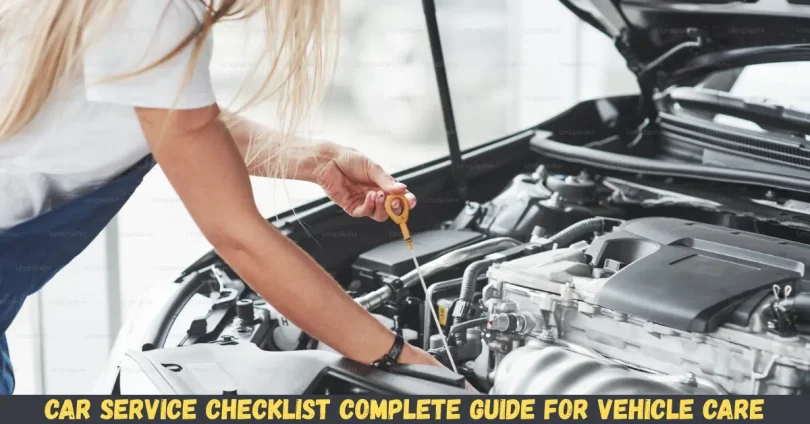
- Engine Oil: Check the oil level and condition. Replace if dark, dirty, or below the recommended level.
- Coolant: Inspect coolant levels and refill if necessary. Check for leaks in hoses and radiator.
- Brake Fluid: Ensure the brake fluid is at the correct level and free from contamination.
- Transmission Fluid: For automatic cars, check transmission fluid. Replace if it’s discolored or smells burnt.
- Power Steering Fluid: Ensure the power steering system is functioning smoothly with adequate fluid.
- Windshield Washer Fluid: Top up to maintain clear visibility.
Example: A car with low engine oil may overheat, causing permanent engine damage.
2. Battery Inspection
- Check battery terminals for corrosion.
- Ensure the battery is securely mounted.
- Test battery voltage and replace if weak.
- Clean the terminals if necessary.
Tip: A weak battery can leave you stranded, especially in cold weather.
3. Brake System
- Inspect brake pads for wear. Replace if thickness is below the recommended limit.
- Check brake discs and drums for damage or warping.
- Test brake fluid levels and top up if needed.
- Ensure brake lines have no leaks.
Example: Worn brake pads can increase stopping distance, posing a serious safety risk.
4. Tires and Wheels
- Check tire pressure and adjust to manufacturer’s recommended levels.
- Inspect tread depth and replace tires if worn out.
- Look for cracks, bulges, or uneven wear.
- Rotate tires if necessary to ensure even wear.
- Inspect wheel alignment and balance.
Tip: Properly inflated and aligned tires improve fuel efficiency and handling.
5. Lights and Electrical System
- Test all exterior lights: headlights, brake lights, turn signals, and fog lamps.
- Inspect interior lights, dashboard lights, and indicators.
- Check the horn, wipers, and other electrical components.
Example: Faulty headlights at night can lead to accidents, making this a critical check.
6. Suspension and Steering
- Inspect shock absorbers and struts for leaks or damage.
- Check steering components for looseness or play.
- Ensure suspension bushings are intact.
Tip: A smooth ride indicates healthy suspension; unusual noises signal a problem.
7. Exhaust and Emission System
- Check exhaust pipes for leaks or rust.
- Inspect catalytic converter and muffler.
- Ensure emission levels are within legal limits.
Example: Leaking exhaust not only reduces efficiency but also increases pollution.
8. Belts and Hoses
- Inspect serpentine belts and timing belts for cracks or wear.
- Check hoses for leaks, swelling, or brittleness.
- Replace any worn components to prevent breakdowns.
Tip: A broken timing belt can cause severe engine damage.
9. Interior and Comfort Systems
- Test AC and heating system.
- Check seat belts for wear and functionality.
- Inspect dashboard and interior controls.
- Ensure wipers and defoggers are working properly.
10. Documentation and Records
- Keep a record of all services, repairs, and replacements.
- Schedule the next service according to manufacturer guidelines.
- Note any recurring issues for future reference.
Benefits of a Car Service Checklist
- Ensures comprehensive maintenance without missing any component.
- Reduces unexpected breakdowns and repair costs.
- Enhances safety for driver, passengers, and other road users.
- Improves fuel efficiency and vehicle performance.
- Extends the lifespan of your vehicle.
- Maintains vehicle resale value with a documented service history.
- Builds confidence for long trips and daily commuting.
Disadvantages / Risks
- Time-consuming if not done professionally.
- Requires some mechanical knowledge for accurate checks.
- Overlooking small details can still lead to unexpected issues.
- DIY checks may void warranty if done incorrectly.
- Neglecting a checklist may result in serious breakdowns.
Common Mistakes to Avoid
- Skipping Routine Checks: Delaying regular service can damage critical components.
- Ignoring Warning Signs: Strange noises, warning lights, or leaks should never be ignored.
- Using Incorrect Fluids: Always follow manufacturer recommendations for oil, coolant, and brake fluid.
- Neglecting Tire Maintenance: Uneven wear or low pressure affects safety and fuel efficiency.
- Overlooking Battery Maintenance: Corrosion or weak charge can cause unexpected failures.
- Not Documenting Services: Without records, you may miss important maintenance or reduce resale value.
FAQs
1. How often should I service my car?
Most cars require a service every 5,000–10,000 km or every 6–12 months, depending on manufacturer guidelines. Always follow your car’s manual.
2. Can I do a car service checklist myself?
Yes, basic checks like fluid levels, tire pressure, and lights can be done at home. However, for brakes, engine inspection, or electrical systems, professional help is recommended.
3. What happens if I skip regular car maintenance?
Skipping maintenance increases the risk of breakdowns, reduces fuel efficiency, shortens engine life, and can lead to expensive repairs.
4. Is a car service checklist different for new and old cars?
Yes. Older cars may require more frequent checks on brakes, suspension, and belts, while new cars follow manufacturer-recommended schedules.
5. How long does a full car service take?
A standard full service may take 2–4 hours, depending on the car’s condition and the thoroughness of the checklist.
6. What are the signs that my car needs immediate service?
Warning lights, unusual noises, vibration while driving, difficulty steering, and fluid leaks indicate immediate servicing is required.
7. Should I check the battery regularly?
Yes. Check the battery terminals for corrosion monthly and test voltage periodically, especially before long trips or in extreme weather.
8. Can a checklist improve my car’s resale value?
Absolutely. A well-maintained service record shows potential buyers that the car is reliable and cared for, increasing its resale value.
Expert Tips & Bonus Points
- Create a Service Log: Track oil changes, tire rotations, and repairs for easier reference.
- Use Manufacturer’s Recommended Parts: Avoid aftermarket parts that may not meet specifications.
- Inspect Before Trips: For long journeys, go through the checklist to ensure safety.
- Stay Updated: Follow manufacturer recalls or service bulletins for your car model.
- DIY Minor Checks: Learn to check fluids, lights, and tire pressure at home for convenience.
- Seasonal Maintenance: Check AC in summer and heating in winter to ensure comfort.
- Professional Assistance: Always consult a trusted mechanic for critical components.
Conclusion
A car service checklist is more than a simple list—it’s a blueprint for keeping your vehicle safe, efficient, and reliable. Regular maintenance not only protects your investment but also ensures peace of mind on every journey. By following the step-by-step guide, avoiding common mistakes, and using expert tips, you can confidently manage your car’s upkeep, whether you are a beginner or an experienced owner.
Routine service reduces the risk of unexpected breakdowns, improves performance, and maintains your car’s value over time. Remember, even small issues can escalate if left unchecked, so a thorough checklist is your best defense. Keeping records, inspecting components, and scheduling timely services ensures your car remains road-ready and comfortable for years.