
Introduction
Owning a car is more than just enjoying the convenience of travel; it also comes with the responsibility of proper maintenance. Many car owners, especially beginners, often overlook routine checks and small fixes, only to face costly repairs later. Learning how to maintain a car is not as complicated as it seems. With a few simple steps, you can extend your vehicle’s life, improve safety, and enhance fuel efficiency.
Car maintenance is more than just changing oil or refilling tires. It includes a range of activities like inspecting brakes, checking fluids, monitoring tire pressure, cleaning, and protecting mechanical parts. By understanding the basics, you can prevent breakdowns, improve performance, and even retain your car’s resale value. This guide is designed to be beginner-friendly, providing a step-by-step approach to keep your car in top shape.
What is Car Maintenance?
Car maintenance refers to the regular care and servicing of a vehicle to ensure it operates efficiently, safely, and reliably. It is a proactive approach, focusing on preventing problems rather than fixing them after they occur. Maintenance activities range from simple checks, like topping up engine oil, to more complex tasks, like inspecting the transmission system.
There are two types of car maintenance:
- Preventive Maintenance: Regular checks and servicing to avoid breakdowns. Examples include oil changes, tire rotation, and brake inspections.
- Corrective Maintenance: Repairs and replacements after a problem arises, like fixing a broken AC or replacing worn-out brakes.
Maintaining a car also involves keeping it clean, checking fluids, monitoring tire health, and ensuring all electrical components are working correctly. Consistent care not only improves performance but also enhances safety and longevity.
Why is Car Maintenance Important?
Proper car maintenance is essential for several reasons:
- Safety: A well-maintained car reduces the risk of accidents caused by mechanical failure. For instance, worn-out brakes or bald tires can be dangerous.
- Longevity: Regular maintenance extends the life of your vehicle, helping it perform like new for longer.
- Cost Savings: Preventive maintenance is cheaper than emergency repairs. Fixing small issues early avoids expensive replacements later.
- Fuel Efficiency: A car with properly inflated tires, clean air filters, and tuned engines consumes less fuel.
- Resale Value: A well-maintained car retains higher resale or trade-in value. Buyers prefer vehicles with complete maintenance records.
- Environmental Benefits: Cars that run efficiently emit fewer pollutants, reducing their environmental footprint.
Neglecting maintenance can lead to unexpected breakdowns, costly repairs, and safety hazards. Therefore, understanding how to maintain a car is a vital responsibility for every owner.
Detailed Step-by-Step Guide to Maintain a Car
Maintaining a car can be simplified into a structured routine. Below is a step-by-step guide covering all key areas.
1. Check and Change Engine Oil
Engine oil lubricates moving parts, prevents overheating, and removes dirt.
- Frequency: Every 5,000–7,500 miles (depending on manufacturer recommendations).
- Steps:
- Check the oil level using the dipstick.
- Look for discoloration or a burnt smell.
- Change oil and replace the oil filter if necessary.
- Check the oil level using the dipstick.
Tip: Use the recommended oil grade from your car manual to prevent engine wear.
2. Monitor and Replace Fluids
Other than engine oil, your car relies on several fluids:
- Coolant: Prevents overheating. Top up or replace as per manual instructions.
- Brake Fluid: Maintains braking performance. Check every 6 months.
- Transmission Fluid: Ensures smooth gear shifts. Check levels regularly.
- Power Steering Fluid: Helps with steering ease. Inspect monthly.
- Windshield Washer Fluid: Keeps the windshield clear.
Tip: Low or dirty fluids can cause severe mechanical issues.
3. Tire Care
Tires are crucial for safety and fuel efficiency.
- Check Tire Pressure: Use a tire gauge monthly. Maintain the recommended PSI.
- Rotate Tires: Rotate every 5,000–7,500 miles to ensure even wear.
- Inspect Tread: Replace tires when tread depth is below 2/32 inches.
- Alignment and Balancing: Ensure proper alignment to prevent uneven wear.
Example: Driving on under-inflated tires increases fuel consumption by up to 3%.
4. Brake System Maintenance
Brakes are vital for safety.
- Inspect Brake Pads: Replace when thickness is below 3mm.
- Check Brake Discs/Rotors: Look for warping or grooves.
- Test Brakes: Notice any squealing or reduced braking efficiency.
5. Battery Care
A dead battery can leave you stranded.
- Check Battery Terminals: Clean corrosion regularly.
- Test Battery Charge: Use a multimeter to ensure proper voltage.
- Replace if Necessary: Most car batteries last 3–5 years.
6. Air Filter Maintenance
Air filters prevent dust and debris from entering the engine.
- Frequency: Replace every 12,000–15,000 miles.
- Check Visual Condition: Dirty filters reduce fuel efficiency and engine power.
7. Lights and Electrical System
Functioning lights and electronics are crucial for safety.
- Check Headlights, Brake Lights, and Indicators: Replace burned-out bulbs immediately.
- Inspect Fuses: Prevent electrical failures.
- Check Dashboard Indicators: Address warning lights promptly.
8. Exterior and Interior Care
Appearance and cleanliness affect comfort and resale value.
- Wash and Wax: Protect paint and prevent rust.
- Clean Interior: Vacuum seats, mats, and dashboards.
- Protect Leather/Vinyl: Use conditioners to prevent cracking.
9. Scheduled Servicing
Follow the manufacturer’s recommended service intervals.
- Minor Services: Every 6 months or 5,000–7,500 miles.
- Major Services: Every 20,000–30,000 miles.
Tip: Keep a service log to track maintenance history.
Benefits of Car Maintenance
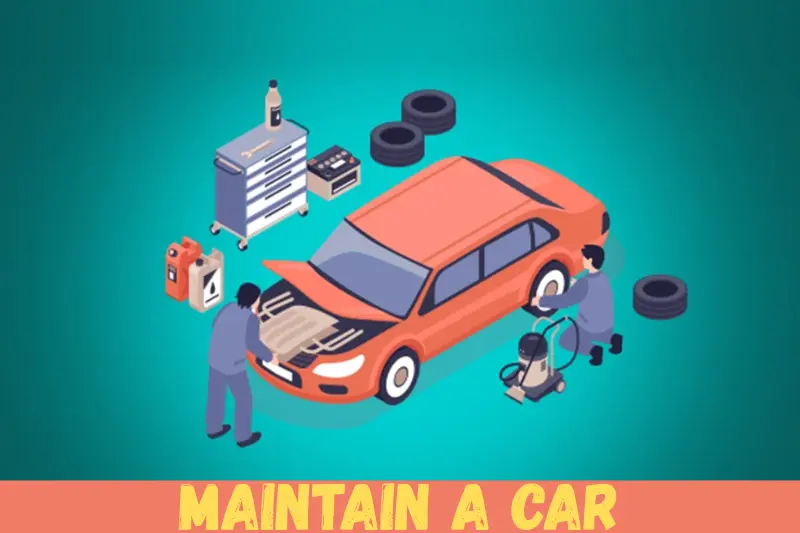
Maintaining a car provides several advantages:
- Prolongs vehicle lifespan
- Enhances safety and reliability
- Improves fuel efficiency
- Reduces repair costs
- Maintains resale value
- Prevents unexpected breakdowns
- Keeps the car clean and aesthetically pleasing
- Supports environmental responsibility
Disadvantages / Risks of Neglecting Car Maintenance
Ignoring maintenance can have serious consequences:
- Unexpected breakdowns on roads
- Reduced safety and higher accident risk
- Poor fuel economy
- Costly repairs for engine, brakes, or transmission
- Decreased vehicle lifespan
- Low resale value
- Increased emissions and environmental harm
Common Mistakes to Avoid
Even experienced drivers make mistakes that can harm the car:
- Ignoring regular oil changes
- Overlooking tire pressure and tread
- Neglecting brake inspections
- Using wrong fuel or oil type
- Delaying battery replacement
- Skipping scheduled servicing
- Ignoring warning lights
- Washing the car with harsh chemicals
Correcting these habits ensures smooth operation and avoids expensive repairs.
FAQs
1. How often should I check my car’s oil?
Check engine oil at least once a month and before long trips. Top up or change oil according to the manufacturer’s recommendations.
2. Can I maintain my car myself or should I go to a mechanic?
Basic maintenance like checking oil, tire pressure, and fluids can be done at home. For complex tasks like transmission or engine repairs, it is better to consult a professional.
3. How long does a car battery last?
Typically, 3–5 years. Extreme temperatures, frequent short trips, and lack of maintenance can reduce battery life.
4. Is tire rotation necessary?
Yes. Rotating tires ensures even wear, improves safety, and prolongs tire life. Most manufacturers recommend every 5,000–7,500 miles.
5. What are signs my brakes need servicing?
Common signs include squeaking or grinding noises, a soft brake pedal, longer stopping distances, or vibration when braking.
6. Can neglecting car maintenance affect fuel efficiency?
Absolutely. Dirty air filters, under-inflated tires, and poorly maintained engines increase fuel consumption significantly.
7. How often should I wash and wax my car?
Wash at least once every two weeks and wax every 3–6 months. This protects paint and prevents rust.
8. Is it necessary to follow the car’s service schedule?
Yes. Service schedules are designed by manufacturers to prevent major issues. Ignoring them can void warranties and lead to costly repairs.
Expert Tips & Bonus Points
- Keep a maintenance calendar to track oil changes, tire rotations, and servicing.
- Always carry a basic toolkit in your car for emergency fixes.
- Use high-quality fuel to prevent engine deposits.
- Check belts and hoses regularly to avoid breakdowns.
- Avoid overloading the car, which can stress suspension and brakes.
- Consider winterizing your car in cold regions for engine and battery protection.
- Clean the engine bay carefully; dirt and debris can reduce performance.
- Keep spare fuses and bulbs for emergencies.
Conclusion
Learning how to maintain a car is an essential skill for any vehicle owner. By following the steps outlined above, you can ensure your car stays reliable, safe, and efficient. Routine maintenance not only prevents expensive repairs but also enhances driving comfort and prolongs the lifespan of your vehicle.
Whether it’s checking engine oil, rotating tires, inspecting brakes, or following scheduled services, each step plays a crucial role in keeping your car in peak condition. Avoiding common mistakes and adhering to expert tips will save you money, time, and stress in the long run.