

Introduction
Car engine maintenance is one of the most critical aspects of owning a vehicle. Whether you drive a brand-new car or a well-used model, proper engine care ensures smooth performance, prevents costly repairs, and prolongs the life of your vehicle. Many beginners underestimate the importance of routine engine maintenance, thinking it is either too complicated or unnecessary. However, a few simple habits can make a significant difference in the long-term health of your car.
Engaging in regular engine maintenance not only keeps your car running efficiently but also improves fuel economy, reduces emissions, and helps avoid sudden breakdowns. A well-maintained engine also maintains the resale value of your car, which is often overlooked by casual car owners. Even if you’re not a mechanic, understanding the basics of car engine maintenance allows you to identify early signs of trouble and take preventive measures.
What is Car Engine Maintenance?
Car engine maintenance refers to the set of activities, checks, and repairs aimed at keeping an engine in optimal working condition. Your car engine is the heart of the vehicle; it powers everything from acceleration to the functioning of electrical systems. Over time, components like oil, filters, belts, and spark plugs degrade, which can lead to reduced performance or even engine failure.
Maintenance involves preventive measures, such as regular oil changes, cleaning, and inspections. It also includes addressing minor issues before they escalate, like replacing worn-out belts or monitoring fluid levels. Essentially, engine maintenance is a proactive approach, focusing on prevention rather than waiting for breakdowns.
Some key tasks under engine maintenance include:
- Checking and changing engine oil
- Inspecting and replacing air and fuel filters
- Monitoring coolant and other fluid levels
- Replacing spark plugs
- Cleaning engine components
- Checking belts and hoses for wear
By performing these tasks regularly, you ensure that your car remains reliable, fuel-efficient, and safe to drive.
Why is Car Engine Maintenance Important?
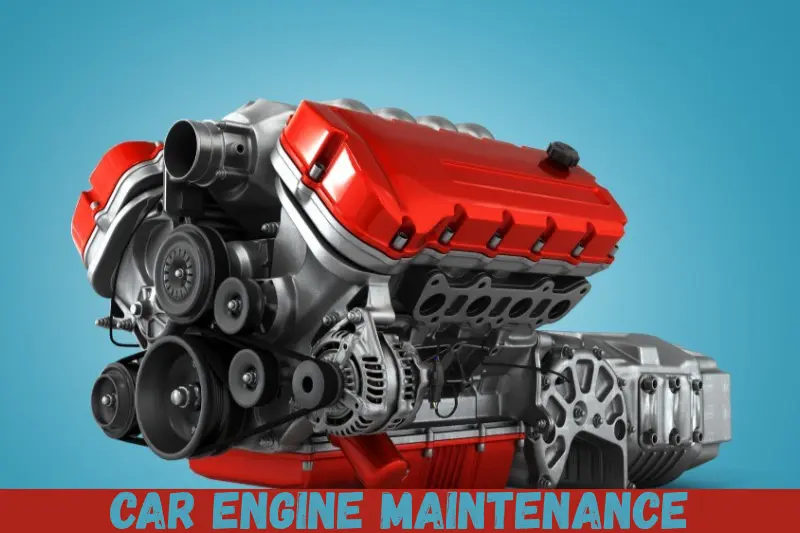
The importance of car engine maintenance cannot be overstated. Ignoring it can lead to serious consequences, from reduced efficiency to complete engine failure. Here’s why every car owner should prioritize engine care:
- Improved Engine Longevity: Routine maintenance prevents wear and tear, allowing your engine to last longer.
- Fuel Efficiency: A well-maintained engine consumes fuel more efficiently, saving you money.
- Reduced Repair Costs: Catching minor issues early prevents major, expensive repairs.
- Enhanced Safety: A malfunctioning engine can lead to breakdowns in dangerous situations.
- Better Performance: Regular checks ensure smoother acceleration and consistent power.
- Environmental Benefits: A clean, well-tuned engine produces fewer emissions.
Skipping maintenance may not show immediate consequences, but over time, it increases the likelihood of costly repairs and compromises your safety.
Detailed Step-by-Step Guide to Car Engine Maintenance
Maintaining your car engine is simpler than many think, especially if you follow a structured approach. Here’s a detailed, step-by-step guide:
1. Regular Oil Checks and Changes
Why it matters: Engine oil lubricates moving parts, reduces friction, and prevents overheating. Old or low oil can cause serious engine damage.
How to check:
- Park on level ground and turn off the engine.
- Pull out the dipstick, wipe it clean, reinsert, and remove again to check oil level.
- Oil should be between the minimum and maximum markers.
How often to change:
- Every 5,000–7,500 miles for conventional oil.
- Every 10,000–15,000 miles for synthetic oil (check manufacturer recommendations).
Tips:
- Always use the oil grade recommended in your owner’s manual.
- Replace the oil filter with every oil change.
2. Air Filter Maintenance
Why it matters: The air filter prevents dirt and debris from entering the engine, ensuring proper combustion.
How to maintain:
- Check the air filter every 12,000–15,000 miles.
- Replace if it appears dirty or clogged.
Example: A clogged air filter can reduce fuel efficiency by up to 10%.
3. Fuel System Cleaning
Why it matters: Deposits can build up in fuel injectors, reducing engine performance.
Maintenance steps:
- Use fuel additives occasionally to clean the system.
- Replace fuel filters according to your car’s schedule.
4. Spark Plug Inspection
Why it matters: Spark plugs ignite the fuel-air mixture. Worn plugs can cause misfires and poor fuel efficiency.
Steps:
- Inspect plugs every 30,000 miles or as per manufacturer.
- Replace worn or fouled plugs.
- Ensure correct gap settings during installation.
5. Coolant System Care
Why it matters: Coolant prevents engine overheating. Low or dirty coolant can cause severe damage.
Maintenance tips:
- Check coolant level regularly.
- Flush and replace coolant every 2–3 years.
- Inspect hoses for cracks or leaks.
6. Belt and Hose Inspections
Why it matters: Belts drive essential components like the alternator and water pump. Hoses carry fluids. Failures can disable your engine.
Steps:
- Inspect belts for cracks, fraying, or wear.
- Check hoses for leaks or bulges.
- Replace worn parts immediately.
7. Battery and Electrical System
Why it matters: The engine relies on the battery for ignition and electronics.
Maintenance steps:
- Clean battery terminals.
- Check voltage regularly.
- Replace battery every 3–5 years or as needed.
8. Exhaust System Checks
Why it matters: Exhaust issues can affect engine performance and increase emissions.
Maintenance tips:
- Inspect for leaks, rust, or damage.
- Replace damaged parts promptly.
9. Regular Engine Cleaning
Why it matters: Dirt and grime can affect engine components and sensors.
Steps:
- Use a degreaser and soft brush for external cleaning.
- Avoid spraying water on sensitive electrical parts.
10. Scheduled Professional Inspections
Even with DIY maintenance, professional checkups are crucial. Mechanics can detect hidden issues like compression problems or timing belt wear before they cause major failures.
Benefits of Car Engine Maintenance
Maintaining your car engine brings many advantages:
- Longer Engine Life – Reduces wear and tear.
- Better Fuel Economy – Ensures efficient combustion.
- Reduced Repair Costs – Prevents major engine problems.
- Improved Safety – Minimizes risk of breakdowns.
- Consistent Performance – Smooth acceleration and power delivery.
- Environmental Benefits – Lower emissions and reduced pollution.
- Higher Resale Value – Well-maintained engines increase car value.
Disadvantages / Risks of Neglecting Engine Maintenance
Neglecting engine maintenance can lead to serious problems:
- Engine Overheating – From low or old coolant.
- Reduced Fuel Efficiency – Due to clogged filters or faulty spark plugs.
- Major Repairs – Engine failure can cost thousands.
- Breakdowns – Risk of being stranded on the road.
- Lower Resale Value – Poor engine condition decreases market value.
- Increased Emissions – Harmful to the environment.
Common Mistakes to Avoid
Avoid these mistakes to maximize engine health:
- Ignoring Oil Changes – Leads to sludge buildup and engine wear.
- Using Incorrect Fluids – Can damage engine components.
- Delaying Filter Replacements – Reduces performance and fuel efficiency.
- Overlooking Warning Signs – Strange noises or dashboard alerts signal issues.
- Neglecting Professional Inspections – DIY alone cannot catch every problem.
- Skipping Coolant Checks – Can cause overheating and head gasket failure.
FAQs About Car Engine Maintenance
1. How often should I change my engine oil?
Engine oil should be changed every 5,000–7,500 miles for conventional oil or every 10,000–15,000 miles for synthetic oil. Always follow your car’s manual.
2. Can I maintain my car engine myself?
Yes, basic maintenance like oil changes, air filter replacement, and fluid checks can be done by beginners. For complex issues, consult a professional.
3. What are signs of a poorly maintained engine?
Common signs include reduced fuel efficiency, strange noises, smoke from the exhaust, dashboard warning lights, and difficulty starting the car.
4. How do I know if my spark plugs need replacing?
Signs include engine misfires, rough idling, difficulty starting, or poor fuel economy. Inspect them every 30,000 miles or as per manufacturer guidelines.
5. Is it necessary to clean the fuel system?
Yes, periodic cleaning prevents deposit buildup in fuel injectors, improving engine performance and fuel efficiency.
6. Can neglecting coolant lead to engine failure?
Absolutely. Low or dirty coolant can cause overheating, warped cylinder heads, or even total engine failure. Regular checks and flushes are essential.
7. What’s the best way to extend engine life?
Regular oil changes, timely replacement of filters and spark plugs, coolant maintenance, belt and hose inspections, and professional inspections are the most effective ways.
8. How does engine maintenance affect fuel economy?
A clean and properly tuned engine burns fuel efficiently, which reduces consumption. Dirty filters, worn spark plugs, or low oil decrease efficiency significantly.
Expert Tips & Bonus Points
- Always follow your vehicle’s service schedule.
- Keep a maintenance log for oil changes, filter replacements, and inspections.
- Use high-quality parts and fluids for better performance.
- Avoid short trips repeatedly; engines warm up fully only after longer drives.
- Listen to your engine; unusual noises often indicate emerging problems.
- Periodically inspect the timing belt; its failure can be catastrophic.
- Check tire pressure and alignment, as a smooth-running car reduces engine strain.
- Consider professional diagnostic tools for real-time engine monitoring.
Bonus: Warming up your engine for a few minutes before driving in cold weather prevents unnecessary wear and improves efficiency.
Conclusion
Car engine maintenance is not just a routine chore—it is a crucial responsibility for every car owner. By understanding your engine, performing regular checks, and addressing minor issues promptly, you can ensure optimal performance, better fuel efficiency, and a longer lifespan for your vehicle. Beginners and intermediate car owners alike can benefit greatly from simple practices such as timely oil changes, air filter replacements, spark plug inspections, and coolant management.
Neglecting engine maintenance can lead to costly repairs, breakdowns, and reduced safety on the road. On the other hand, a well-maintained engine runs smoothly, consumes less fuel, and maintains its resale value. By following the step-by-step guide provided in this article, avoiding common mistakes, and implementing expert tips, anyone can take control of their car’s engine health with confidence.