
Introduction
Owning a car is more than just driving from one place to another. Your vehicle is an investment, and regular car maintenance is the key to keeping it running efficiently and safely. Many car owners underestimate the importance of routine maintenance, only realizing its value when expensive repairs become unavoidable. With proper care, your car can last longer, perform better, and even save you money on fuel and repairs.
Regular car maintenance tips are essential for every driver, whether you’re a beginner or have years of experience. These tips cover simple, everyday tasks as well as scheduled checks that prevent major issues. From checking tire pressure to changing engine oil, following a maintenance routine ensures your car stays reliable and safe. Moreover, a well-maintained car retains its value better if you decide to sell it in the future.
What is Regular Car Maintenance?
Regular car maintenance refers to the consistent care and inspection of your vehicle to ensure it operates safely and efficiently. It involves routine checks, servicing, and repairs that prevent breakdowns and extend the life of your car.
Maintenance can be as simple as checking your tire pressure or replacing windshield wipers, or as detailed as changing engine fluids and inspecting brakes. The frequency of these tasks often depends on your car’s model, age, and driving habits.
In general, car maintenance falls into two categories:
- Preventive Maintenance: Regular checks and replacements to avoid major problems, such as oil changes, air filter replacement, and tire rotation.
- Corrective Maintenance: Fixing issues when something goes wrong, like repairing a broken alternator or replacing a worn-out brake pad.
By understanding and following these regular car maintenance tips, you can avoid costly repairs and maintain optimal performance.
Why is Regular Car Maintenance Important?
Maintaining your car isn’t just about keeping it looking nice. It has practical, financial, and safety benefits that every driver should understand:
- Safety: Faulty brakes, worn tires, or low fluids can put you and other road users at risk. Regular maintenance helps prevent accidents caused by vehicle failures.
- Cost Savings: Small preventive tasks like oil changes or tire rotations are far cheaper than major repairs resulting from neglect.
- Fuel Efficiency: A well-maintained engine and properly inflated tires help your car run efficiently, saving fuel and money.
- Longevity: Routine maintenance extends the life of your vehicle, ensuring you get the most value from your investment.
- Resale Value: A car with a well-documented maintenance history sells better and at a higher price.
- Reliability: Regularly checked cars are less likely to break down unexpectedly, reducing stress and inconvenience.
Ignoring these tips may lead to engine problems, poor performance, and costly repairs. For example, failing to change engine oil on time can cause engine wear, leading to major damage. Following regular car maintenance tips ensures you avoid these issues.
Detailed Step-by-Step Guide to Regular Car Maintenance
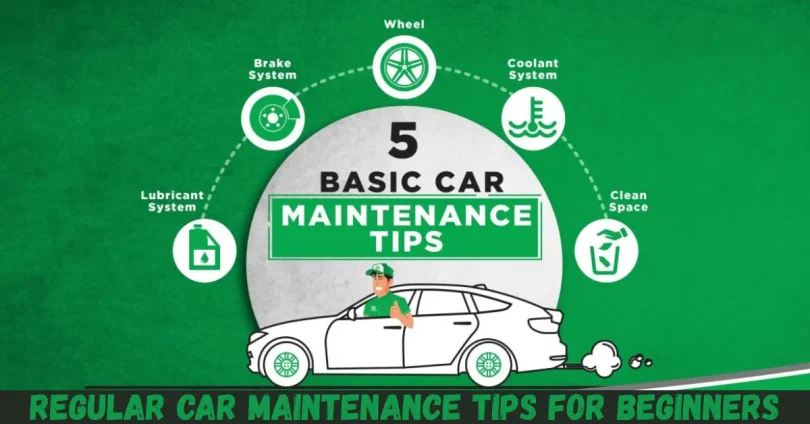
Regular car maintenance doesn’t have to be complicated. Here’s a step-by-step guide covering essential areas of your vehicle:
1. Engine Oil and Filter
Frequency: Every 5,000–7,500 miles (or as per manufacturer instructions)
- Check oil level monthly using the dipstick.
- Change the oil regularly to prevent engine wear.
- Replace the oil filter each time you change oil to maintain proper engine lubrication.
2. Tires and Wheels
Frequency: Check monthly, rotate every 6,000–8,000 miles
- Inspect tire pressure and inflate to recommended levels.
- Check for uneven wear, cracks, or punctures.
- Rotate tires to ensure even wear and extend tire life.
- Align and balance wheels as needed to improve handling.
3. Brakes
Frequency: Inspect every 10,000 miles or annually
- Check brake pads, discs, and fluid levels.
- Listen for squealing or grinding noises, which indicate worn brake pads.
- Replace brake pads or discs when worn to maintain braking efficiency.
4. Battery
Frequency: Inspect every 6 months
- Check battery terminals for corrosion and clean them.
- Ensure the battery is properly charged.
- Replace the battery every 3–5 years, depending on its performance.
5. Fluids
Frequency: Check monthly or as per manual
- Coolant: Prevents engine overheating; replace every 2–3 years.
- Transmission fluid: Ensures smooth gear shifts; check level and color.
- Brake fluid: Maintains braking performance; replace every 2 years.
- Power steering fluid: Ensures smooth steering; check regularly.
6. Lights and Electrical Components
Frequency: Monthly check
- Test headlights, brake lights, turn signals, and interior lights.
- Replace any burnt-out bulbs immediately.
- Inspect fuses and replace if necessary.
7. Air Filters
Frequency: Every 12,000–15,000 miles
- Replace engine air filter to ensure proper airflow and engine efficiency.
- Replace cabin air filter for clean air inside the car.
8. Wipers and Windshield
Frequency: Inspect every 6 months
- Replace worn wiper blades to maintain visibility.
- Check windshield for cracks and repair promptly.
9. Belts and Hoses
Frequency: Every 12,000 miles or annually
- Inspect for cracks, frays, or wear.
- Replace timing belts, serpentine belts, and hoses before they fail.
10. Cleaning and Exterior Care
- Wash your car regularly to prevent rust and paint damage.
- Wax the exterior to protect the paint from UV rays.
- Clean the interior to maintain a comfortable and hygienic environment.
Benefits of Regular Car Maintenance
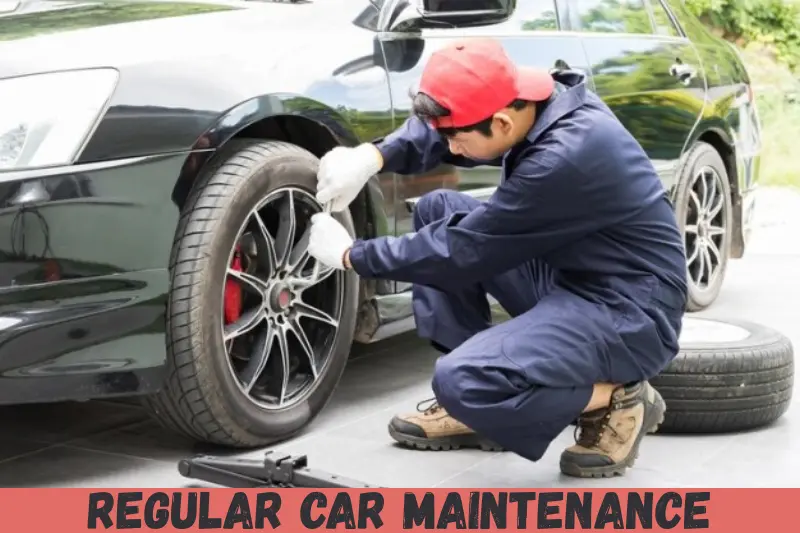
Following regular car maintenance tips provides numerous benefits:
- Improved vehicle performance and efficiency
- Enhanced safety for you and passengers
- Lower repair costs in the long term
- Increased fuel economy
- Extended lifespan of the car
- Higher resale value
- Reduced risk of breakdowns
- Peace of mind while driving
Disadvantages / Risks of Neglecting Maintenance
Neglecting car maintenance can lead to several risks:
- Engine failure due to low or dirty oil
- Brake failure causing accidents
- Reduced fuel efficiency
- Tire blowouts or uneven wear
- Electrical system failures
- Overheating due to low coolant
- Expensive repairs that could have been prevented
- Decreased resale value
Common Mistakes to Avoid
Even experienced drivers sometimes make mistakes. Avoid these common pitfalls:
- Skipping Oil Changes: Leads to engine wear and potential breakdown.
- Ignoring Warning Lights: Can result in severe mechanical issues.
- Neglecting Tire Maintenance: Causes poor fuel efficiency and dangerous driving.
- Using Wrong Fluids: Can damage engine or transmission systems.
- Delaying Brake Inspections: Reduces braking efficiency and safety.
- Overlooking Regular Cleaning: Leads to rust and interior damage.
- Ignoring Small Noises: Could be early signs of costly problems.
FAQs About Regular Car Maintenance
1. How often should I service my car?
Most manufacturers recommend servicing every 5,000–10,000 miles. However, it depends on your car model and driving conditions. Regular inspections every few months are also helpful.
2. Can I do maintenance myself?
Yes, simple tasks like checking oil, tire pressure, or replacing wiper blades can be done at home. More complex tasks like brake repairs or engine work are best handled by professionals.
3. Is it necessary to follow the manufacturer’s maintenance schedule?
Absolutely. The manufacturer knows your car’s requirements best. Following their schedule prevents warranty issues and ensures optimal performance.
4. How can I tell if my car needs urgent maintenance?
Warning signs include unusual noises, smoke from the engine, warning lights on the dashboard, fluid leaks, or poor braking performance.
5. Are premium fluids necessary for regular maintenance?
Not always. Using recommended quality fluids is essential, but premium options are only needed if specified by the manufacturer.
6. Does regular maintenance improve fuel efficiency?
Yes. Properly inflated tires, clean air filters, and well-maintained engines reduce fuel consumption.
7. What is the cost of regular maintenance?
Basic maintenance is relatively inexpensive. Oil changes, tire rotations, and inspections usually cost less than $100, but skipping them can lead to repairs costing thousands.
8. How does climate affect car maintenance?
Extreme temperatures, heavy rain, or salty roads may require more frequent checks on fluids, tires, and battery health.
9. Can maintenance prevent breakdowns during long trips?
Yes. Inspecting key components before long trips ensures your car is reliable and reduces the chance of being stranded.
10. Should I keep a maintenance log?
Definitely. Recording services, replacements, and inspections helps track your car’s condition and improves resale value.
Expert Tips & Bonus Points
- Use Quality Parts: Always use genuine or high-quality replacement parts.
- Check Tire Alignment: Misaligned tires reduce fuel efficiency and cause uneven wear.
- Listen to Your Car: Strange sounds or vibrations often indicate maintenance needs.
- Keep Fluids Topped Up: Even small leaks can cause big problems over time.
- Rotate Tires Regularly: Prevents premature wear and improves handling.
- Keep an Emergency Kit: Include tools, jumper cables, and basic repair items.
- Wash and Wax Regularly: Protects paint and reduces rust.
- Use a Garage or Car Cover: Minimizes exposure to harsh weather conditions.
- Schedule Seasonal Checks: Before winter or summer, inspect coolant, tires, and battery.
- Follow the Maintenance Manual: It’s your car’s blueprint for longevity.
Conclusion
Regular car maintenance is not optional; it’s a responsibility every car owner should embrace. By following these regular car maintenance tips, you can ensure your vehicle runs smoothly, safely, and efficiently for years to come. From simple checks like tire pressure and wiper replacement to essential services like oil changes and brake inspections, every step counts toward preserving your car’s performance.
Neglecting maintenance may seem convenient in the short term, but it leads to costly repairs, poor fuel efficiency, and safety risks. On the other hand, a well-maintained car provides peace of mind, better resale value, and a smoother driving experience.