
Introduction
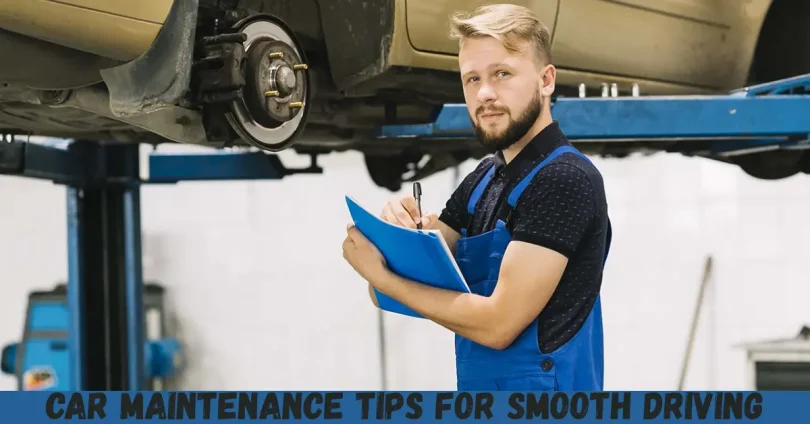
Owning a car is a significant investment, and keeping it in top condition requires regular care and attention. Many people overlook simple maintenance tasks, assuming their vehicles will run smoothly without much effort. Unfortunately, neglecting car maintenance can lead to costly repairs, decreased fuel efficiency, and even safety hazards on the road. This is why understanding essential Car Maintenance Tips is crucial for every car owner.
Whether you are a beginner who just bought a new car or someone with years of driving experience, maintaining your vehicle doesn’t have to be complicated. By following simple, consistent practices, you can enhance your car’s performance, extend its lifespan, and avoid unexpected breakdowns. These tips cover everything from checking your tires and fluids to understanding warning signs and scheduling regular inspections.
What is Car Maintenance?
Car maintenance refers to the routine tasks and checks performed on a vehicle to ensure it operates safely, efficiently, and reliably. These tasks can be preventive, such as changing oil, replacing filters, or rotating tires, or reactive, like repairing broken parts. Essentially, car maintenance is about taking proactive steps to avoid bigger problems in the future.
Maintenance can be categorized into two types:
- Preventive Maintenance: These are scheduled tasks, such as regular oil changes, brake inspections, and tire rotations. They are meant to prevent breakdowns and costly repairs.
- Corrective Maintenance: This involves fixing or replacing parts that are already damaged or worn out, such as a broken alternator or a worn-out timing belt.
By understanding the basics of car maintenance, drivers can avoid unexpected issues, save money on repairs, and improve the safety and performance of their vehicles.
Why is Car Maintenance Important?
Maintaining your car is not just about keeping it clean or looking new—it has real implications for safety, performance, and cost. Here’s why car maintenance is crucial:
- Safety First: Regular maintenance ensures that brakes, tires, lights, and steering mechanisms are functioning correctly. This reduces the risk of accidents caused by faulty components.
- Cost Savings: Preventive care, such as changing oil and replacing worn-out parts, can save you thousands of dollars by avoiding major repairs.
- Extended Lifespan: A well-maintained car lasts longer. Routine checks and proper care prevent premature wear and tear.
- Better Fuel Efficiency: Regularly checking tire pressure, engine performance, and fuel systems improves gas mileage.
- Resale Value: Cars with a documented maintenance history sell for higher prices and attract more buyers.
- Environmental Benefits: A properly maintained engine emits fewer pollutants and runs more efficiently.
Neglecting car maintenance can lead to breakdowns, poor performance, and higher long-term costs. A small effort today can prevent big problems tomorrow.
Detailed Step-by-Step Guide
Maintaining a car may seem overwhelming, but breaking it into manageable steps makes it simple. Below is a detailed guide to essential car maintenance tasks.
1. Regular Oil Changes
Oil lubricates your engine, reduces friction, and prevents overheating. Over time, oil becomes dirty and loses effectiveness.
- Frequency: Every 3,000–5,000 miles for conventional oil, 7,500–10,000 for synthetic oil.
- Tips:
- Always use the recommended oil grade for your car.
- Check oil levels monthly and top up if necessary.
- Look for leaks under the vehicle.
- Always use the recommended oil grade for your car.
2. Check and Replace Fluids
Cars have several fluids that need regular monitoring:
- Coolant/Antifreeze: Prevents engine overheating; top up every 6 months.
- Brake Fluid: Ensures braking efficiency; replace every 2 years.
- Transmission Fluid: Keeps gears moving smoothly; change every 30,000–60,000 miles.
- Windshield Washer Fluid: Maintains visibility; refill as needed.
3. Tire Maintenance
Tires are vital for safety and fuel efficiency.
- Check Pressure: At least once a month using a tire gauge.
- Inspect Tread Depth: Replace tires when tread is below 2/32 inch.
- Rotate Tires: Every 5,000–7,500 miles to ensure even wear.
- Alignment and Balancing: Improves handling and extends tire life.
4. Battery Care
A weak battery can leave you stranded.
- Check Terminals: Clean corrosion with a mix of baking soda and water.
- Test Battery: Use a voltmeter; healthy batteries should read around 12.6 volts.
- Replace: Typically every 3–5 years.
5. Brake Inspection
Brakes are critical for safety.
- Listen for Noise: Squealing or grinding indicates worn pads.
- Check Brake Fluid: Low levels can reduce braking efficiency.
- Professional Check: Have brakes inspected at least once a year.
6. Engine Air Filter Replacement
A clean air filter improves fuel efficiency and engine performance.
- Check Frequency: Every 12,000–15,000 miles.
- Signs to Replace: Reduced acceleration, black smoke, or unusual engine sounds.
7. Light and Signal Checks
Proper lighting is essential for safety.
- Check All Lights: Headlights, brake lights, turn signals, and reverse lights.
- Replace Bulbs: If dim or not functioning.
- Clean Lenses: Dirty lenses reduce visibility.
8. Wiper Blade Maintenance
Wipers maintain visibility in rain or snow.
- Replace Every 6–12 Months: Or when streaking occurs.
- Check Fluid Levels: Ensure the windshield washer is full.
- Inspect Blades: Look for cracks or tears.
9. Belts and Hoses
Belts and hoses are essential for engine operation.
- Inspect Regularly: Look for cracks, frays, or leaks.
- Replace as Needed: Typically every 60,000–100,000 miles.
10. Regular Cleaning and Waxing
Cleaning your car protects the paint and prevents rust.
- Wash Weekly: Remove dirt, salt, and debris.
- Wax Twice a Year: Protects against UV damage and keeps the car shiny.
- Interior Care: Vacuum seats and carpets; wipe dashboards and console.
11. Scheduled Professional Checkups
Even with self-maintenance, professional inspections are essential.
- Routine Service: Follow the manufacturer’s recommended service schedule.
- Diagnostics: Mechanics can detect hidden issues before they become severe.
- Record Keeping: Maintain a log for resale value and warranty purposes.
Benefits of Car Maintenance
Proper car maintenance offers numerous advantages:
- Enhanced Safety: Reduces risk of accidents caused by faulty parts.
- Cost Efficiency: Prevents expensive repairs and extends car life.
- Fuel Savings: Optimized engine and tires improve gas mileage.
- Improved Performance: Smooth acceleration, braking, and handling.
- Increased Resale Value: A well-maintained car attracts buyers.
- Peace of Mind: Fewer unexpected breakdowns on the road.
Disadvantages / Risks of Neglecting Car Maintenance
Neglecting your car can lead to several risks:
- Engine Damage: Skipping oil changes can cause overheating or engine failure.
- Brake Failure: Ignoring brake wear puts you at serious risk.
- Tire Blowouts: Poorly maintained tires can fail on the road.
- Higher Costs: Small issues turn into expensive repairs.
- Reduced Fuel Efficiency: Low tire pressure and dirty filters increase fuel consumption.
- Lower Resale Value: Cars without maintenance records lose value.
Common Mistakes to Avoid
Many car owners make simple errors that compromise safety and performance:
- Ignoring Warning Lights: Don’t wait for problems to worsen.
- Skipping Oil Changes: Leads to engine wear and costly repairs.
- Neglecting Tire Pressure: Causes uneven wear and reduced fuel efficiency.
- Using Incorrect Fluids: Can damage engine, transmission, and brakes.
- Overlooking Battery Care: Leads to unexpected breakdowns.
- Delayed Brake Inspections: Reduces braking effectiveness.
- DIY Repairs Without Knowledge: Can worsen problems or void warranties.
FAQs
1. How often should I service my car?
Most manufacturers recommend servicing every 5,000–10,000 miles, depending on the vehicle and oil type. Always follow the owner’s manual.
2. Can I maintain my car myself?
Yes, basic tasks like checking oil, tires, wipers, and lights can be done at home. Complex issues should be handled by professionals.
3. How do I know if my brakes need replacing?
Signs include squealing, grinding noises, vibration in the brake pedal, or increased stopping distance.
4. What is the best way to improve fuel efficiency?
Maintain proper tire pressure, use recommended engine oil, replace air filters regularly, and avoid aggressive driving.
5. How often should I replace the air filter?
Typically every 12,000–15,000 miles, but check more frequently if you drive in dusty conditions.
6. Are synthetic oils better than conventional oils?
Synthetic oils last longer, perform better at extreme temperatures, and protect the engine more effectively.
7. How can I prevent battery failure?
Keep terminals clean, test voltage regularly, avoid leaving lights on, and replace the battery every 3–5 years.
8. Why is tire rotation important?
Rotating tires ensures even wear, extends lifespan, and improves vehicle handling.
9. Can neglecting car maintenance void my warranty?
Yes, failing to follow recommended service schedules can void warranties in many cases.
10. How do I know when to replace belts and hoses?
Inspect for cracks, fraying, leaks, or wear. Replace every 60,000–100,000 miles or as recommended by your manufacturer.
Expert Tips & Bonus Points
- Keep a Maintenance Log: Document oil changes, tire rotations, and repairs. This helps with resale value and scheduling future maintenance.
- Use Quality Parts: Cheap replacements may save money short-term but cost more in the long run.
- Check Tire Pressure Monthly: Even a small drop can affect fuel efficiency and handling.
- Listen to Your Car: Strange noises, vibrations, or warning lights often signal issues before they worsen.
- Learn Basic DIY Tasks: Changing wipers, checking fluids, and replacing air filters are simple and save money.
- Seasonal Maintenance: Check coolant in summer, battery and tire condition in winter.
- Stay Updated: Follow your car manufacturer’s recommended service schedule for optimal performance.
Conclusion
Regular car maintenance is the key to a safe, reliable, and long-lasting vehicle. By understanding the basics and performing routine checks, you can prevent costly repairs, maintain fuel efficiency, and enjoy a smooth driving experience. Whether it’s changing oil, rotating tires, inspecting brakes, or monitoring fluids, small consistent efforts make a significant difference in your car’s performance.
Neglecting maintenance can lead to breakdowns, safety hazards, and unnecessary expenses. Conversely, taking proactive steps ensures peace of mind, better resale value, and the confidence to handle any road condition. For beginners and experienced drivers alike, following a structured maintenance routine keeps your vehicle running like new. Remember, a well-maintained car is not just a machine—it’s an investment in your safety, comfort, and financial well-being.