

Introduction
Long drives are more than just a way to travel from one place to another; they are an experience. Whether you are planning a weekend getaway, a road trip across states, or a scenic drive along the coast, a long drive can refresh your mind, create memories, and even teach you a lot about your vehicle. However, enjoying a long journey requires preparation, awareness, and smart driving habits. Many drivers underestimate the importance of planning, leading to fatigue, car troubles, or unsafe situations on the road.
This is where Long Drive Car Tips become essential. From checking your car’s condition to preparing your travel essentials, these tips ensure that your journey remains comfortable and safe. In this guide, we will cover everything you need to know about long drives, including preparation steps, common mistakes to avoid, and expert advice that even seasoned drivers follow. By the end of this article, you will be fully equipped to enjoy a smooth and enjoyable long drive.
What is a Long Drive?
A long drive refers to a journey that covers a considerable distance, usually beyond the city limits or intercity travel. While the exact distance can vary depending on perspective, most consider any drive over 100–150 kilometers as a long drive.
Long drives are different from daily commutes. They require careful planning because of factors like road conditions, fuel stops, and driver fatigue. Unlike short trips, long drives involve extended periods of continuous driving, which can strain both the driver and the vehicle.
Key characteristics of a long drive include:
- Extended travel duration, often several hours
- Varied road conditions, from highways to rural roads
- Need for periodic rest and refreshment stops
- Planning for fuel, food, and emergency supplies
In short, a long drive is more than just a distance covered; it’s an experience that combines adventure, relaxation, and responsibility.
Why is a Long Drive Important?
Long drives are not only enjoyable but also beneficial in several ways:
- Stress Relief – Driving on open roads, especially scenic routes, can be therapeutic and reduce daily stress.
- Quality Time – Long drives with family or friends strengthen relationships and create shared memories.
- Self-Discovery – Spending hours on the road allows reflection and boosts confidence in driving skills.
- Vehicle Familiarity – Regular long drives help you understand your car’s performance, fuel efficiency, and handling under different conditions.
- Adventure and Exploration – Long drives allow exploration of new places, cuisines, and cultures beyond your routine environment.
Ignoring preparation for a long drive can turn a relaxing trip into a stressful experience. That’s why following long drive car tips ensures safety, comfort, and overall enjoyment.
Detailed Step-by-Step Guide
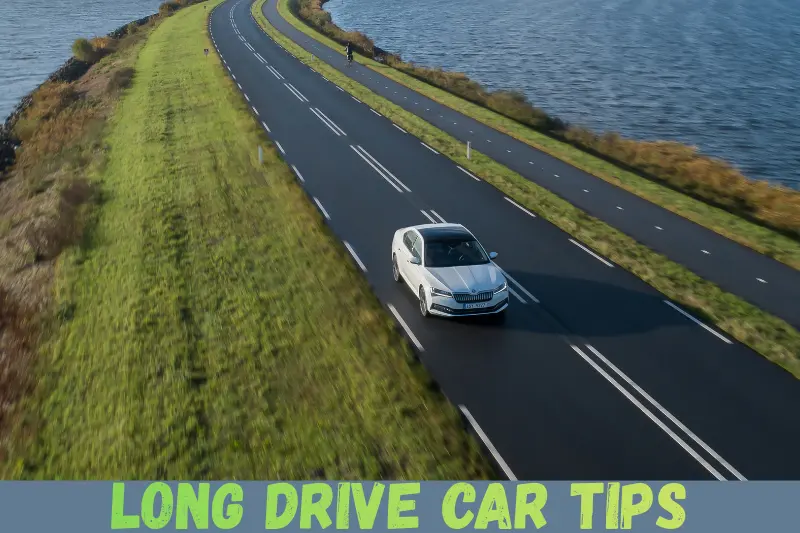
Step 1: Vehicle Check
Before starting a long drive, ensure your car is in optimal condition.
Checklist:
- Engine oil – Check the level and top-up if required.
- Brake fluid – Inspect the brake system for safety.
- Tires – Check air pressure and tread depth; consider replacing worn tires.
- Coolant – Ensure the radiator has enough coolant to avoid overheating.
- Lights – Test headlights, brake lights, and indicators.
- Windshield wipers – Replace worn-out wipers for clear visibility in rain.
Step 2: Route Planning
A planned route saves time and reduces stress.
Tips:
- Use GPS or navigation apps to check traffic and road conditions.
- Identify fuel stations, rest stops, and eateries along the route.
- Have a backup route in case of road closures or heavy traffic.
- Avoid overly complicated routes to reduce fatigue.
Step 3: Packing Essentials
Pack smartly to stay comfortable and prepared.
Must-Haves:
- Driver documents: License, RC, insurance papers.
- First-aid kit, medicines, and personal hygiene items.
- Snacks, water, and energy drinks to avoid hunger on the road.
- Mobile charger and power bank.
- Sunglasses and a hat for sunny conditions.
Step 4: Driving Safety
Adhering to safety rules is crucial on long drives.
Tips:
- Maintain a safe speed and follow traffic rules.
- Avoid distractions like phone use while driving.
- Use seat belts for all passengers.
- Take breaks every 2–3 hours to stretch and refresh.
- Avoid driving at night if possible, or ensure proper visibility and rest beforehand.
Step 5: Comfort and Posture
Comfort affects concentration during long drives.
Guidelines:
- Adjust the driver’s seat and mirrors for optimal posture.
- Keep a cushion or lumbar support to reduce back pain.
- Wear comfortable clothing and shoes suitable for driving.
- Control cabin temperature for comfort without distraction.
Step 6: Fuel Management
Running out of fuel is a common issue during long trips.
Tips:
- Fill the tank before starting.
- Refuel at half tank to avoid emergencies.
- Keep cash or cards ready for fuel stations in remote areas.
Step 7: Emergency Preparedness
Emergencies can happen anytime, so preparation is key.
Checklist:
- Keep a spare tire, jack, and basic tools.
- Carry a flashlight and extra batteries.
- Keep emergency contact numbers handy.
- Learn basic car troubleshooting like jump-starting the battery or checking fuses.
Benefits of a Long Drive
Driving long distances has multiple advantages:
- Boosts mental relaxation and reduces stress
- Enhances driving skills and vehicle knowledge
- Promotes family bonding and social interactions
- Encourages adventure and exploration of new destinations
- Improves self-confidence and patience
- Provides an opportunity to enjoy nature and scenic routes
Disadvantages / Risks
Despite its benefits, long drives also carry some risks:
- Driver fatigue leading to accidents
- Car breakdown due to lack of maintenance
- Road accidents from reckless driving or poor road conditions
- Health issues like back pain or dehydration
- Unforeseen delays due to traffic or weather
- Higher fuel and travel costs
Being aware of these risks helps you prepare better and minimize problems during a long drive.
Common Mistakes to Avoid
- Skipping Vehicle Check – Ignoring basic car maintenance can lead to breakdowns.
- Overpacking – Excess weight can affect fuel efficiency and handling.
- Ignoring Rest Stops – Driving continuously leads to fatigue and reduced concentration.
- Distraction – Using phones or eating while driving is dangerous.
- Improper Route Planning – Relying solely on GPS without planning fuel and rest stops can be risky.
- Over-speeding – Driving faster than safe limits increases accident risk.
- Poor Hydration and Food Choices – Skipping water or heavy meals can affect alertness.
FAQs
1. How can I avoid fatigue on a long drive?
Take breaks every 2–3 hours, stretch your legs, hydrate well, and avoid heavy meals before driving. Listening to light music or podcasts can also help maintain focus.
2. What should I keep in my car for emergencies?
Always carry a first-aid kit, spare tire, jack, flashlight, basic tools, emergency contact numbers, and extra water.
3. How do I maintain my car for a long drive?
Check engine oil, brake fluid, coolant, tires, lights, and windshield wipers. Top up or replace fluids as needed and ensure the battery is fully charged.
4. Is it safe to drive at night?
Night driving can be risky due to low visibility and fatigue. If unavoidable, ensure headlights are working, drive slower, and take frequent breaks.
5. How do I manage fuel efficiently?
Fill your tank before starting, refuel at half tank, avoid sudden acceleration, and maintain consistent speed to save fuel.
6. Can long drives affect my health?
Extended driving can cause back pain, fatigue, dehydration, and eye strain. Proper posture, hydration, regular breaks, and light exercise help mitigate these issues.
7. How do I keep passengers comfortable on a long drive?
Ensure adequate legroom, provide snacks and water, adjust temperature controls, and plan for restroom breaks. Entertainment like music or audiobooks can enhance comfort.
8. What if my car breaks down in the middle of the journey?
Pull over safely, turn on hazard lights, and use emergency tools or contacts. Having roadside assistance numbers ready can be very helpful.
Expert Tips & Bonus Points
- Check Weather Conditions – Avoid driving in extreme weather; plan accordingly.
- Keep Digital and Physical Maps – GPS might fail; physical maps can be lifesavers.
- Use Cruise Control – Helps maintain steady speed on highways, reducing fatigue.
- Adjust Driving Style – Drive smoothly, avoid sudden brakes or accelerations.
- Carry Extra Essentials – Blankets, hats, and sunglasses add comfort.
- Travel Light – Avoid overloading; keep only necessary items.
- Stay Alert – Avoid driving if sleepy; switch drivers if possible.
- Document Your Trip – Keeping a small log of fuel, rest stops, and mileage helps with future planning.
Conclusion
Long drives are more than just a journey; they are a chance to explore, relax, and enjoy life’s simple pleasures. However, to make the most out of a long drive, preparation is essential. Following long drive car tips like vehicle maintenance, route planning, emergency preparedness, and safe driving habits ensures not only safety but also a memorable experience.
By paying attention to both your car and your own comfort, you can turn any long drive into an enjoyable adventure. Avoid common mistakes, manage fatigue, and plan your stops wisely. With these tips, even beginners can confidently take on long drives, while experienced drivers can enhance their road trip experiences.