
Introduction
Car engine technology has changed a lot over the years. In the past, car engines were simple machines that focused only on power. Today, they are smart systems designed for performance, fuel efficiency, and lower emissions. For beginners and intermediate readers, understanding how modern engines work can feel confusing. However, once the basics are clear, everything becomes much easier to understand.
Car engine technology is the heart of every vehicle. It decides how smoothly your car drives, how much fuel it consumes, and how reliable it feels on the road. From small city cars to powerful SUVs, engine design plays a key role in driving experience. As technology improves, engines are becoming cleaner, quieter, and more efficient than ever before.
What is Car Engine Technology?
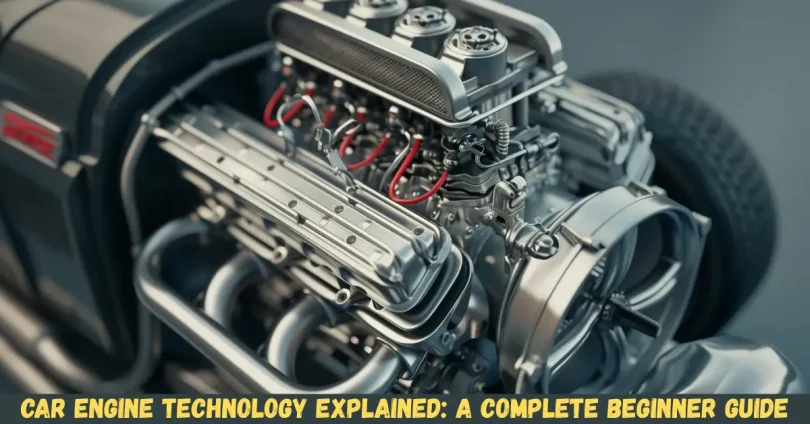
Car engine technology refers to the design, systems, and innovations used to convert fuel into motion. In simple terms, it is how a car engine produces power and transfers it to the wheels.
At its core, a car engine works by burning fuel inside cylinders. This process creates controlled explosions that move pistons. These movements turn the crankshaft, which eventually drives the wheels. Modern engine technology improves this process to make it more efficient and reliable.
Over time, engines have evolved from basic mechanical parts to complex systems controlled by computers. Sensors, electronic control units, and software now play a major role. As a result, engines can adjust performance automatically based on driving conditions.
Car engine technology includes petrol engines, diesel engines, hybrid systems, and electric-assisted engines. Each type uses different methods to produce power, but all aim to deliver smooth driving and better efficiency.
Why is Car Engine Technology Important?
Car engine technology is important because it affects almost every aspect of driving. A well-designed engine provides better fuel economy, lower emissions, and longer engine life.
First, advanced engines help reduce fuel costs. Improved combustion systems ensure that fuel is used efficiently. This means fewer trips to the fuel station and more savings over time.
Second, engine technology plays a major role in environmental protection. Modern engines are designed to release fewer harmful gases. This helps reduce air pollution and supports global emission standards.
Finally, safety and reliability depend on engine performance. A strong and well-maintained engine responds better during emergencies. It also reduces the chances of breakdowns during long drives.
Detailed Step-by-Step Guide
Step 1: Understanding Engine Types
Car engine technology starts with understanding engine types. The most common types include petrol engines, diesel engines, hybrid engines, and electric-assisted engines.
Petrol engines are popular due to their smooth performance and lower noise. Diesel engines offer better torque and fuel efficiency, especially for long-distance driving. Hybrid engines combine fuel and electric power for better efficiency. Each type serves different driving needs.
Step 2: Learning the Combustion Process
The combustion process is the core of car engine technology. Fuel mixes with air inside the cylinder and ignites. This ignition pushes the piston downward, creating energy.
Modern engines use precise fuel injection and timing control. This ensures cleaner burning and better performance. As a result, engines produce more power using less fuel.
Step 3: Role of Engine Components
Key engine components include pistons, cylinders, crankshaft, camshaft, and valves. These parts work together in perfect timing.
Modern engines use lightweight materials and improved designs. This reduces friction and heat loss. Therefore, engines last longer and perform better.
Step 4: Importance of Engine Cooling
Engine cooling is vital in car engine technology. Engines generate high temperatures during operation. Cooling systems prevent overheating.
Radiators, coolant fluids, and fans help maintain safe temperature levels. Without proper cooling, engine damage can occur quickly.
Step 5: Electronic Engine Control
Modern engines rely heavily on electronic control units. These systems monitor fuel flow, air intake, and ignition timing.
Sensors collect real-time data and adjust engine behavior instantly. This improves fuel efficiency and reduces emissions.
Benefits of Car Engine Technology
- Improved fuel efficiency for daily driving
- Reduced harmful emissions for cleaner air
- Better engine performance and smoother acceleration
- Longer engine lifespan with proper maintenance
- Enhanced driving comfort and reliability
Disadvantages / Risks
- Advanced engines can be expensive to repair
- Complex systems require skilled technicians
- Poor maintenance can lead to costly failures
- Low-quality fuel may damage sensitive components
- Electronic issues can affect engine performance
Common Mistakes to Avoid
Many car owners misunderstand car engine technology. One common mistake is ignoring regular maintenance. Skipping oil changes can damage internal components.
Another mistake is using incorrect fuel. Engines are designed for specific fuel types. Using the wrong one reduces efficiency and causes wear.
Lastly, ignoring warning lights can lead to serious engine problems. Early action always saves money and prevents damage.
FAQs
What is the main purpose of car engine technology?
The main purpose is to convert fuel into usable power efficiently. It also aims to reduce emissions and improve reliability.
How often should engine maintenance be done?
Regular maintenance should follow the manufacturer’s schedule. Oil changes and inspections are usually recommended every few thousand miles.
Are modern engines more reliable than old ones?
Yes, modern engines are more reliable due to better materials and electronic monitoring systems.
Does engine technology affect fuel economy?
Absolutely. Advanced systems ensure fuel is burned efficiently, reducing waste and improving mileage.
Can poor driving habits damage engine technology?
Yes, aggressive driving and ignoring maintenance can reduce engine life significantly.
Is car engine technology expensive to maintain?
Basic maintenance is affordable. However, advanced repairs may cost more if ignored early.
Expert Tips & Bonus Points
Always warm up your engine before aggressive driving. This allows oil to circulate properly. Use high-quality fuel and engine oil recommended by the manufacturer.
Pay attention to unusual sounds or vibrations. Early detection prevents major damage. Lastly, keep your cooling system in good condition to avoid overheating.
Conclusion
Car engine technology is the foundation of modern driving. It determines how efficiently a car runs, how much fuel it uses, and how long it lasts. Over the years, engine systems have evolved from simple mechanical designs to advanced, computer-controlled machines. This evolution has improved performance while reducing environmental impact.
Understanding car engine technology helps drivers make better decisions. It allows you to choose the right vehicle, maintain it properly, and avoid costly mistakes. Even basic knowledge can improve your driving experience and increase your car’s lifespan.