
Introduction
Toyota engine technology is known all over the world for reliability, efficiency, and smart engineering. When people think about cars that last long and perform well, Toyota often comes to mind. This reputation did not happen by accident. It is the result of decades of careful research, testing, and improvement in engine design. Toyota focuses on building engines that are strong, fuel-efficient, and easy to maintain for everyday drivers.
In simple words, Toyota engine technology is about making engines that balance power and economy. Whether you drive a small city car or a large SUV, Toyota designs its engines to deliver smooth performance. At the same time, the company works hard to reduce fuel consumption and emissions. This makes Toyota vehicles suitable for both personal and family use.
What is Toyota Engine Technology?
Toyota engine technology refers to the engineering methods and systems Toyota uses to design, build, and improve its vehicle engines. These technologies aim to deliver reliable power, better fuel economy, and lower emissions. Toyota does not rely on one single engine type. Instead, it develops multiple engine solutions for different needs.
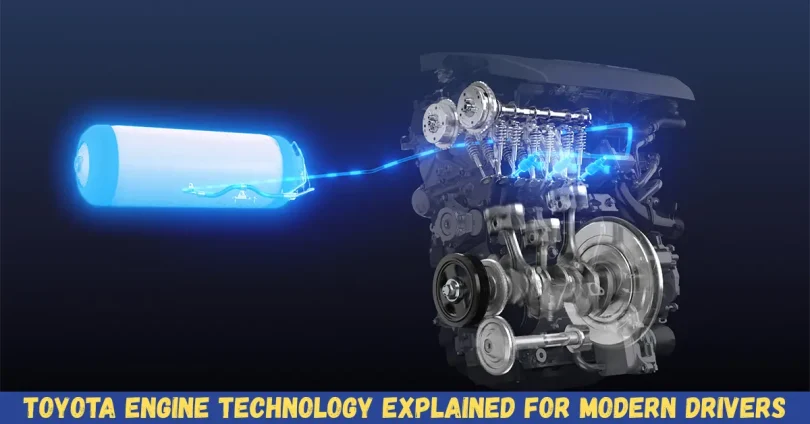
Toyota engines include petrol, diesel, hybrid, and advanced systems like VVT-i and hybrid synergy drive. Each system is designed with a specific purpose. For example, smaller engines focus on fuel savings, while larger engines provide more power for heavy vehicles.
Over the years, Toyota has improved engine materials, combustion processes, and cooling systems. This helps engines run smoothly in different climates and driving conditions. The company also tests engines extensively before launching them in the market.
In short, Toyota engine technology is a complete approach to engine development. It combines mechanical strength, smart electronics, and efficient fuel use. This approach helps Toyota remain a leader in the global automotive industry.
Why is Toyota Engine Technology Important?
Toyota engine technology is important because it directly affects how a car performs, how much fuel it uses, and how long it lasts. A well-designed engine means fewer breakdowns and lower repair costs over time.
For daily drivers, engine efficiency means saving money on fuel. Toyota engines are designed to deliver good mileage without sacrificing performance. This is especially helpful for people who drive long distances or use their cars every day.
Environmental impact is another key factor. Toyota works to reduce harmful emissions by improving combustion efficiency and using hybrid systems. This helps meet global emission standards and supports a cleaner environment.
Safety and driving comfort also depend on engine performance. Smooth acceleration and consistent power delivery make driving easier and safer. That is why Toyota engine technology plays a major role in the overall driving experience.
Detailed Step-by-Step Guide
Step 1: Engine Design and Planning
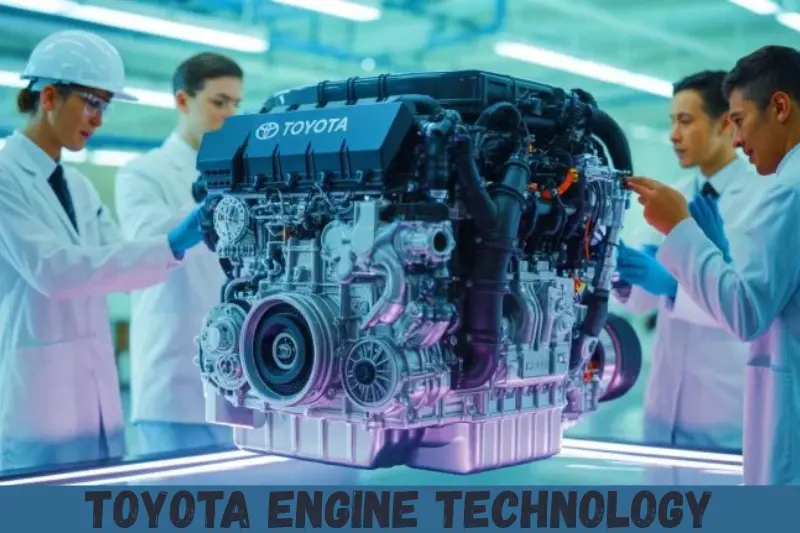
Toyota begins with careful engine planning. Engineers decide the engine size, power output, and fuel type based on vehicle purpose. For example, a city car needs a small, efficient engine, while an SUV needs more torque.
Step 2: Material Selection
High-quality materials are used to build engine components. Toyota focuses on strong yet lightweight materials. This reduces engine weight and improves fuel efficiency while maintaining durability.
Step 3: Combustion Technology
Toyota improves the combustion process by controlling air and fuel mixture. Technologies like VVT-i adjust valve timing to improve power and efficiency at different speeds.
Step 4: Cooling and Lubrication
Efficient cooling systems prevent overheating. Proper lubrication reduces friction between moving parts. These systems help engines run smoothly for a long time.
Step 5: Testing and Quality Control
Before production, engines go through strict testing. Toyota checks performance, fuel consumption, and durability. Only engines that meet high standards reach customers.
Benefits of Toyota Engine Technology
- High reliability and long engine life
- Better fuel efficiency for daily driving
- Smooth and quiet performance
- Lower maintenance costs over time
- Reduced emissions and environmental impact
- Wide range of engine options
Disadvantages / Risks
- Advanced technology can increase repair cost
- Hybrid systems may require specialized service
- Older models may lack modern features
- Genuine parts can be expensive in some regions
Common Mistakes to Avoid
Many people ignore regular maintenance, thinking Toyota engines never fail. This is a mistake. Oil changes and inspections are still necessary.
Using low-quality fuel can also harm engine performance. Toyota engines work best with recommended fuel types.
Another common mistake is delaying repairs. Small issues can become serious if ignored for too long.
FAQs
1. Are Toyota engines reliable?
Yes, Toyota engines are known for reliability. With proper maintenance, they can last for many years.
2. What makes Toyota engines fuel-efficient?
Toyota uses smart combustion systems and lightweight materials to reduce fuel use.
3. Do Toyota engines require special maintenance?
Basic maintenance is enough, but hybrid engines may need trained technicians.
4. Is Toyota engine technology good for beginners?
Yes, it is beginner-friendly due to smooth performance and low maintenance needs.
5. Are Toyota hybrid engines durable?
Toyota hybrid engines are designed for long-term use and have proven reliability.
6. Can Toyota engines handle extreme weather?
Yes, Toyota tests engines in different climates to ensure stable performance.
Expert Tips & Bonus Points
Always follow the maintenance schedule provided by Toyota. Use genuine parts for repairs.
Warm up your engine gently, especially in cold weather. Avoid aggressive driving when the engine is cold.
Regularly check engine oil and coolant levels. These small steps can extend engine life.
Conclusion
Toyota engine technology represents years of experience, innovation, and commitment to quality. It focuses on building engines that are reliable, efficient, and suitable for everyday use. Whether you are a beginner buying your first car or an intermediate user looking for long-term value, Toyota engines offer a balanced solution.
The strength of Toyota engine technology lies in its simplicity and smart design. Engines are built to perform well without unnecessary complexity. This reduces the chances of failure and keeps maintenance costs reasonable.